Blog > Marketplace News > Indonesian Officials Point to Collusion Between Freight Companies and Customs
Indonesian Officials Point to Collusion Between Freight Companies and Customs
Jackson 12 Dec 2025 07:42ENCopy link & title
Recently, Indonesian Minister of Micro, Small and Medium Enterprises (MSME), Maman Abdurrahman, publicly criticized freight and courier companies, even questioning whether some customs officials were colluding with "freight gangs" to allow massive amounts of imported goods to enter the country smoothly.
Maman stated, "I suspect the root of the problem lies with freight and courier companies. They can place large orders for overseas goods in one go and then find ways to ship them all into Indonesia."
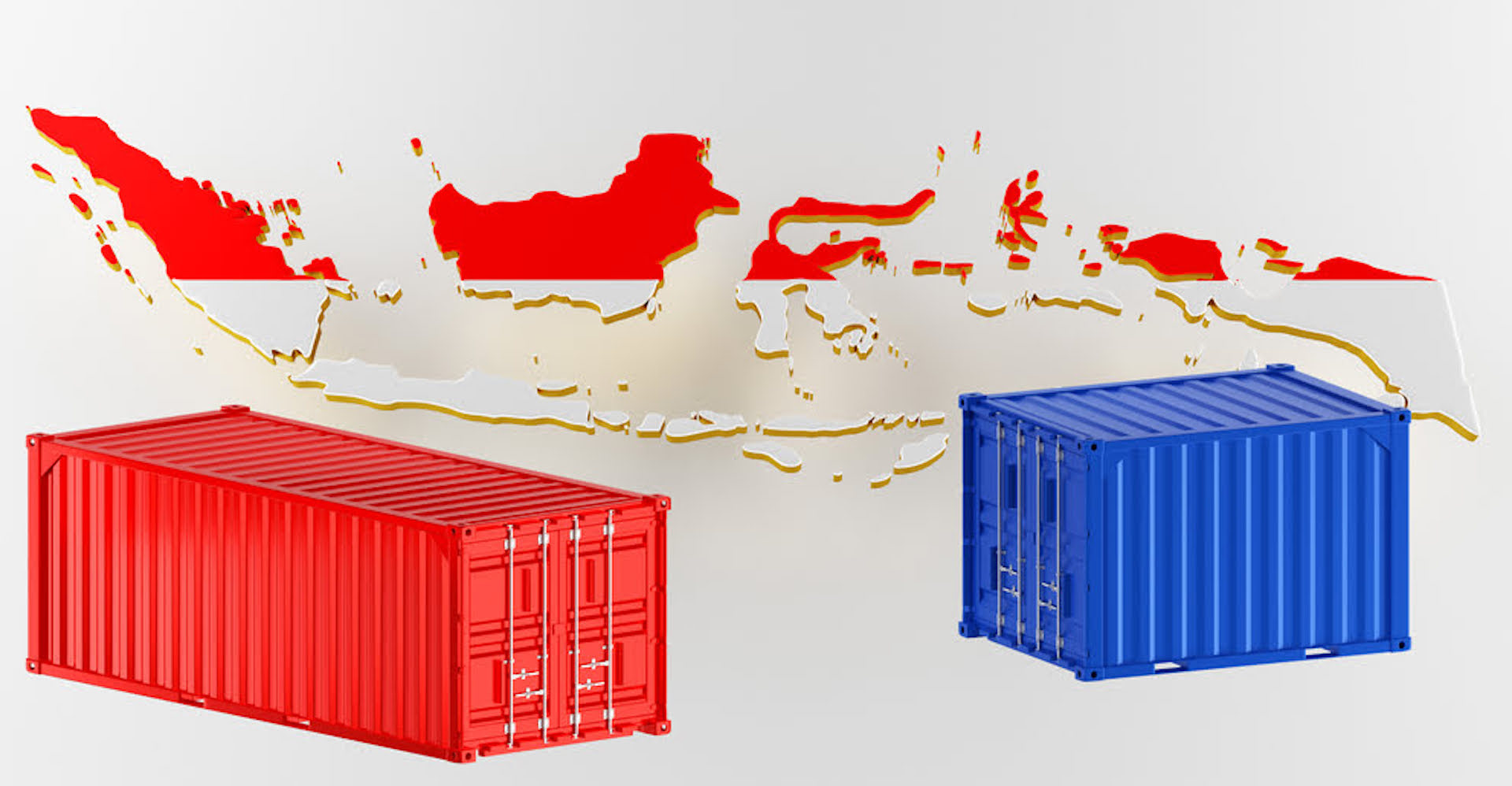
These companies often operate on a massive cross-border scale but lack transparent oversight. Large quantities of clothing, shoes, household goods, and small commodities from China enter the Indonesian domestic market at extremely low prices—discrete parcels, group-buying parcels, and unlabeled goods all flow in through these channels.
In contrast, Indonesian local MSMEs naturally have no price advantage. For a long time, Indonesian cross-border e-commerce and gray customs clearance channels have remained in a regulatory gray area. Under-declaration, unpacking and splitting packages, and clearing customs under the guise of private parcels are open secrets in the industry.
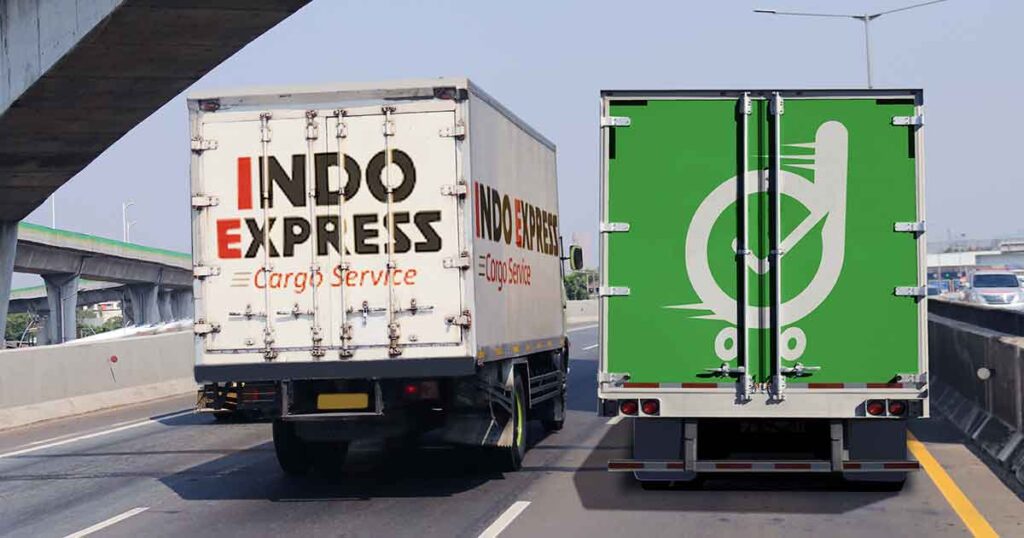
Maman stated bluntly, "If this situation continues, we will destroy our own industries within our own country."
Maman emphasized that Indonesia is not opposed to imports, but will promote the following measures: controlling freight and express delivery channels upstream and strengthening customs supervision processes; increasing transparency to limit large-scale imports of categories with existing mature local production capacity; conducting stricter reviews of unlabeled and uncertified goods; and promoting the upgrading of local SMEs in terms of quality, certification, and branding.
Maman stated, "I suspect the root of the problem lies with freight and courier companies. They can place large orders for overseas goods in one go and then find ways to ship them all into Indonesia."
These companies often operate on a massive cross-border scale but lack transparent oversight. Large quantities of clothing, shoes, household goods, and small commodities from China enter the Indonesian domestic market at extremely low prices—discrete parcels, group-buying parcels, and unlabeled goods all flow in through these channels.
In contrast, Indonesian local MSMEs naturally have no price advantage. For a long time, Indonesian cross-border e-commerce and gray customs clearance channels have remained in a regulatory gray area. Under-declaration, unpacking and splitting packages, and clearing customs under the guise of private parcels are open secrets in the industry.
Maman stated bluntly, "If this situation continues, we will destroy our own industries within our own country."
Maman emphasized that Indonesia is not opposed to imports, but will promote the following measures: controlling freight and express delivery channels upstream and strengthening customs supervision processes; increasing transparency to limit large-scale imports of categories with existing mature local production capacity; conducting stricter reviews of unlabeled and uncertified goods; and promoting the upgrading of local SMEs in terms of quality, certification, and branding.