Innovative business ideas for 2026: how Filipino e-commerce sellers can stand out
Jayson05 Jan 2026 10:56ENCopy link & title
The Philippines’ e-commerce market has been growing strongly and is forecast to keep expanding in the coming years, driven by increased internet use, mobile wallets, and better logistics, and 2026 looks like another year of opportunity for Filipino e-commerce sellers who pick practical, low-risk ideas and pair them with smart operations.
This guide gives five clear trends to watch, eight concrete business ideas that match those trends, and simple, actionable next steps you can use today.
(1). Social commerce is rising fast
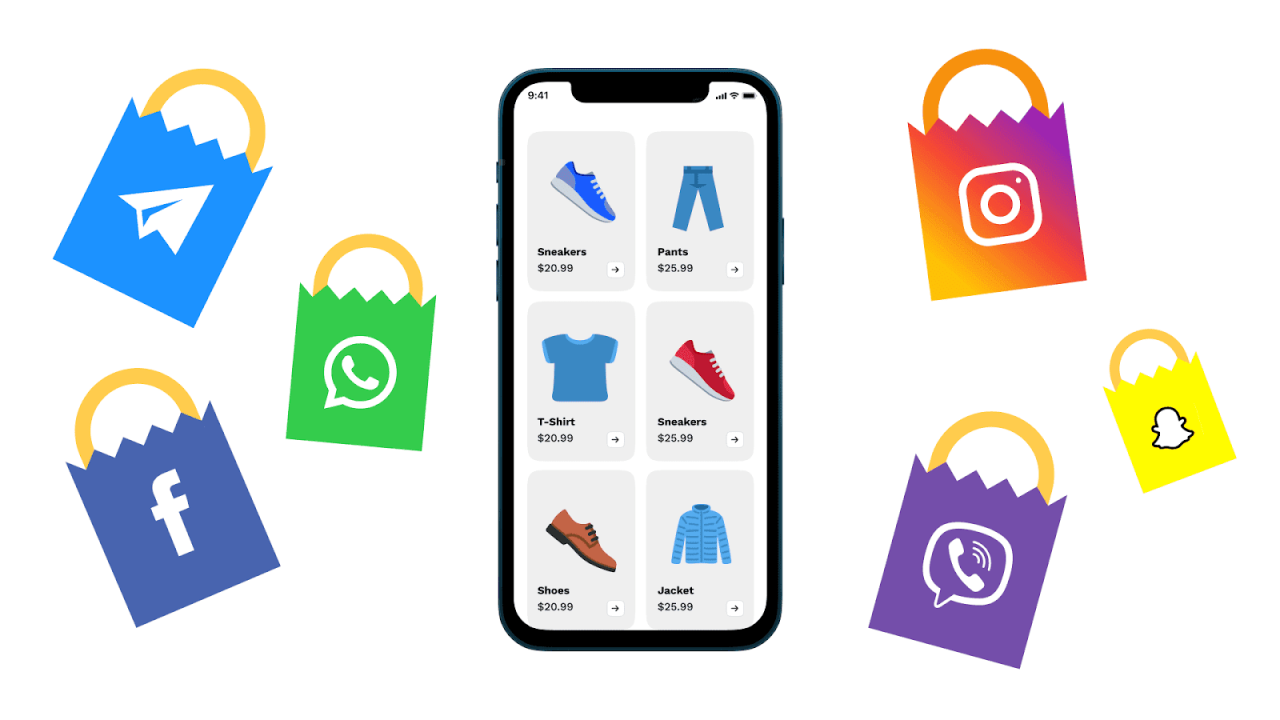
Social platforms (Facebook, Instagram and increasingly TikTok Shop) are turning into full shopping channels — not just discovery tools. Social commerce is expanding in the Philippines, and livestream and short-form video sales are becoming major revenue drivers for microentrepreneurs. This makes product presentation, live demo skills, and fast customer service essential.
(2). Digital payments are now mainstream
Mobile wallets and digital retail payments have moved from “nice to have” to standard. The Bangko Sentral ng Pilipinas reports a strong increase in digital payment volume — meaning buyers are comfortable paying online, and sellers should support popular e-wallets to avoid lost sales.
(3). Gen Z and value-driven buying
Younger Filipino shoppers influence trends: they prefer convenience, authenticity, and social proof (UGC, reviews, short videos). Promotions, easy checkout, and clear product stories work best for this group.
(1). Niche online store (specialized catalog)
Easier to rank on search, cheaper paid campaigns, and loyal repeat customers compared to broad marketplaces.
Pick a narrow niche (e.g., eco kitchenware, curated pet care, local K-beauty dupes). Validate demand via quick Facebook/Instagram/TikTok ads or keyword research.
(2). Social-commerce storefront + livestream selling
Lower customer acquisition cost when you convert followers into buyers; livestreams can generate impulse purchases.
Start with 1× weekly livestream, showcase 3–5 SKUs with clear CTAs, and offer time-limited promos.
(3). Print-on-demand (POD) and custom merchandise
Minimal inventory risk and good margins on unique designs (Filipino humor, local slang, school/org merch).
Test 5 designs on a POD supplier, promote via reels and local micro-influencers, and collect preorders before scaling.
(4). Dropshipping with strong supplier vetting
Low capital entry; let suppliers handle fulfillment while you focus on marketing.
Vet suppliers (sample orders, lead time checks, return policy), set conservative shipping promises, and clearly communicate delivery times.
(5). Online courses / tutoring (English, business skills, tech)
Growing demand for upskilling; scalable with recorded lessons.
Validate topic demand, record short modular lessons, and sell via a course platform or via recurring live group classes.
(1). Payments & checkout
Support mobile wallets (GCash, Maya) and card payments. Digital payment adoption is high — if you don’t accept the buyer’s preferred method you’ll lose conversions.
(2). Fast, honest delivery expectations
Offer accurate shipping times and transparent fees. Consider micro-fulfillment or local courier partners for faster delivery outside Metro areas.
(3). Content + social proof
Short videos, clear product photos, reviews, and UGC are top trust drivers — especially for Gen Z and value-driven buyers. Prioritize 15–60 second demos and customer clips.
(4). Start small, measure, repeat
Run short tests (7–14 days) for product pages, ads, livestreams and track ROAS, conversion rate, and repeat purchase rate. The bigger the data, the better your scaling decisions.
Conclusion:
The Philippines’ market is growing, but successful sellers in 2026 will be the ones who combine trend awareness (social commerce + wallets + Gen Z habits) with operational discipline. If you pick a niche, validate demand quickly, and make checkout + delivery frictionless, you’ll be well positioned to grow.
In addition, choosing a suitable e-commerce ERP tool will undoubtedly be more helpful for sellers' business growth in 2026. Here, we recommend BigSeller.

This guide gives five clear trends to watch, eight concrete business ideas that match those trends, and simple, actionable next steps you can use today.
Want to manage multiple Shopee/Lazada/TikTok Shop accounts at the same time?
Vist our website to know more 👉 BigSeller ERP
Vist our website to know more 👉 BigSeller ERP
1. Key trends shaping business opportunities in 2026
(1). Social commerce is rising fast
Social platforms (Facebook, Instagram and increasingly TikTok Shop) are turning into full shopping channels — not just discovery tools. Social commerce is expanding in the Philippines, and livestream and short-form video sales are becoming major revenue drivers for microentrepreneurs. This makes product presentation, live demo skills, and fast customer service essential.
(2). Digital payments are now mainstream
Mobile wallets and digital retail payments have moved from “nice to have” to standard. The Bangko Sentral ng Pilipinas reports a strong increase in digital payment volume — meaning buyers are comfortable paying online, and sellers should support popular e-wallets to avoid lost sales.
(3). Gen Z and value-driven buying
Younger Filipino shoppers influence trends: they prefer convenience, authenticity, and social proof (UGC, reviews, short videos). Promotions, easy checkout, and clear product stories work best for this group.
2. Five practical e-commerce business ideas for Filipino sellers
(1). Niche online store (specialized catalog)
Easier to rank on search, cheaper paid campaigns, and loyal repeat customers compared to broad marketplaces.
Pick a narrow niche (e.g., eco kitchenware, curated pet care, local K-beauty dupes). Validate demand via quick Facebook/Instagram/TikTok ads or keyword research.
(2). Social-commerce storefront + livestream selling
Lower customer acquisition cost when you convert followers into buyers; livestreams can generate impulse purchases.
Start with 1× weekly livestream, showcase 3–5 SKUs with clear CTAs, and offer time-limited promos.
(3). Print-on-demand (POD) and custom merchandise
Minimal inventory risk and good margins on unique designs (Filipino humor, local slang, school/org merch).
Test 5 designs on a POD supplier, promote via reels and local micro-influencers, and collect preorders before scaling.
(4). Dropshipping with strong supplier vetting
Low capital entry; let suppliers handle fulfillment while you focus on marketing.
Vet suppliers (sample orders, lead time checks, return policy), set conservative shipping promises, and clearly communicate delivery times.
(5). Online courses / tutoring (English, business skills, tech)
Growing demand for upskilling; scalable with recorded lessons.
Validate topic demand, record short modular lessons, and sell via a course platform or via recurring live group classes.
3. 2026 business operational priorities
(1). Payments & checkout
Support mobile wallets (GCash, Maya) and card payments. Digital payment adoption is high — if you don’t accept the buyer’s preferred method you’ll lose conversions.
(2). Fast, honest delivery expectations
Offer accurate shipping times and transparent fees. Consider micro-fulfillment or local courier partners for faster delivery outside Metro areas.
(3). Content + social proof
Short videos, clear product photos, reviews, and UGC are top trust drivers — especially for Gen Z and value-driven buyers. Prioritize 15–60 second demos and customer clips.
(4). Start small, measure, repeat
Run short tests (7–14 days) for product pages, ads, livestreams and track ROAS, conversion rate, and repeat purchase rate. The bigger the data, the better your scaling decisions.
Conclusion:
The Philippines’ market is growing, but successful sellers in 2026 will be the ones who combine trend awareness (social commerce + wallets + Gen Z habits) with operational discipline. If you pick a niche, validate demand quickly, and make checkout + delivery frictionless, you’ll be well positioned to grow.
In addition, choosing a suitable e-commerce ERP tool will undoubtedly be more helpful for sellers' business growth in 2026. Here, we recommend BigSeller.
BigSeller is the ultimate FREE e-commerce ERP for Southeast Asian sellers, designed to supercharge your business. Streamline everything in one place—from product listings and order processing to inventory management, financial tracking, and automated operations.
Vist our website to know more 👉BigSeller ERP
Vist our website to know more 👉BigSeller ERP
BigSeller-Blog Senior Writer: Jayson
Sir Jayson has worked in well-known e-commerce companies such as Shopee and TikTok Shop, helping hundreds of sellers to deepen their e-commerce industry, expand their business, and eventually become high-quality sellers.