Shopee Fees Are Eating Into Margins, So How Are Sellers Still Making Profit?
Erra06 Jan 2026 06:30ENCopy link & title
Scroll through Shopee long enough and a pattern appears: RM9.90 products, free shipping, vouchers stacked on top and sellers still participating aggressively.
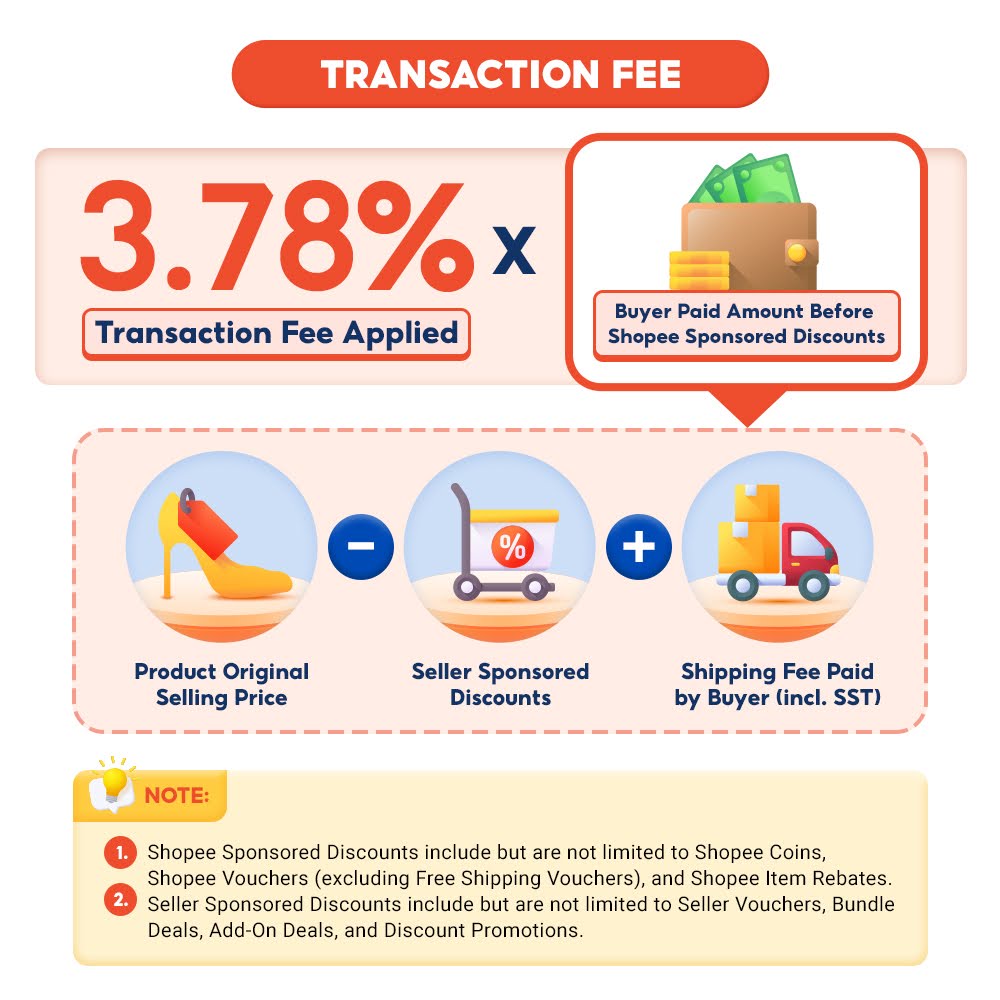
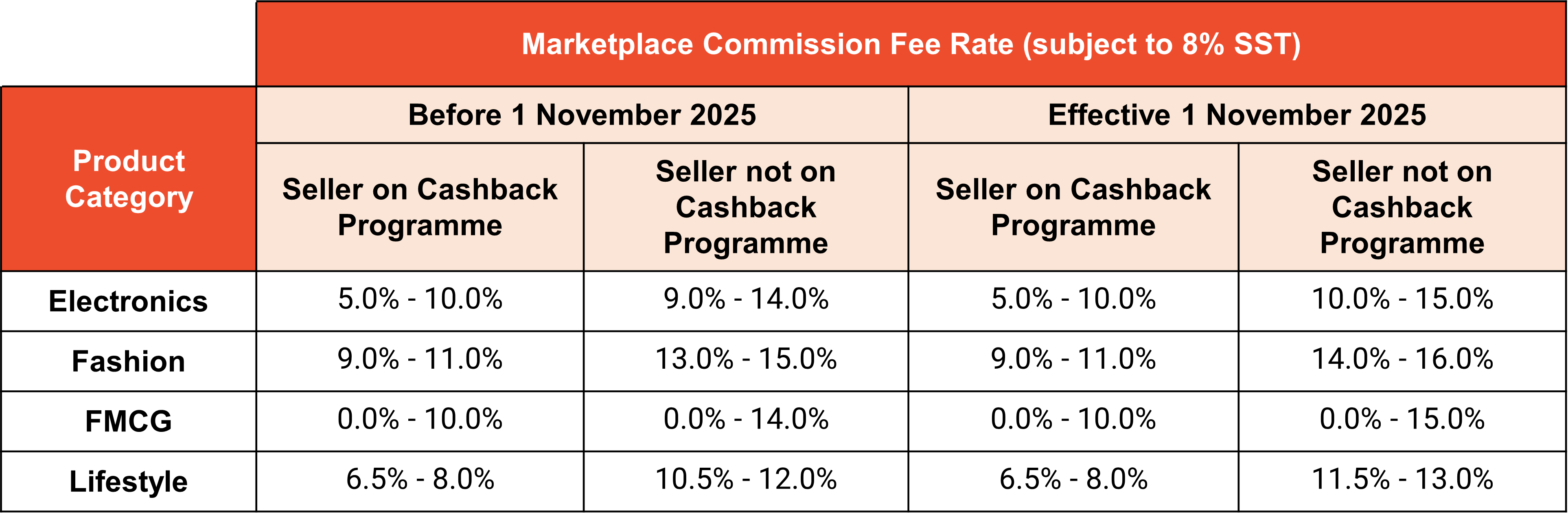
Between commission fees, service fees, transaction fees, and optional affiliate or campaign-related costs, many Shopee sellers today are effectively giving up to 20% or more each sale, and that’s before advertising spend, packaging costs, and damaged parcel risks even come into the picture.
So the question many sellers may quietly be asking themselves is:
If margins are this thin, who is actually making money on Shopee?
The short answer: not everyone.
The longer answer is more uncomfortable, but far more useful.

The Real Cost of Selling on Shopee
At a glance, Shopee’s individual fees don’t always look excessive. Each line item like commission, service fee, transaction fee seems manageable on its own. The problem starts when sellers layer multiple tools and programmes just to remain visible.
In practice, many active sellers are paying for a combination of:
-
Platform commission, which varies by category and programme
-
Service and transaction fees, charged on every completed order
-
Affiliate marketing fees, once affiliates or content creators are enabled
-
Campaign participation requirements, where sellers absorb discounts or vouchers
-
Shipping-related costs, such as subsidised shipping or partial fee absorption
Individually, these costs may look small. Combined, they can consume more than 20% of an order’s value, sometimes more for low-priced items.
At that point, the selling price stops being a revenue figure and starts behaving more like a traffic cost. This is why many sellers feel locked into aggressive pricing, especially when competitors offering near-identical products appear to survive on margins that seem mathematically impossible.
Low Prices Don’t Mean High Profits (And Often Mean the Opposite)
A common assumption is that sellers offering ultra-low prices are making up for thin margins through sheer volume. In reality, many of them are not earning much per order at all.
What they are doing instead is aligning with how Shopee’s ecosystem distributes traffic. Sellers who consistently participate in campaigns, maintain competitive pricing, and accept lower margins are often rewarded with:
-
Greater search visibility
-
Homepage or campaign exposure
-
Higher recommendation frequency
In other words, Shopee tends to favour sellers who are willing to trade margin for traffic. This strategy can work, but only under specific conditions. Increased exposure does lead to higher order volume, but without the right cost structure and operational efficiency, higher volume simply amplifies losses rather than profits.
Who Can Actually Survive Selling Cheap on Shopee?
Despite appearing similar on the surface, not all Shopee sellers are competing on equal footing. Based on how costs are absorbed, sellers who succeed at low pricing usually fall into a few distinct groups.
1. Manufacturers and Factory Owners
Sellers who manufacture their own products start with a fundamental advantage: cost control.
They typically benefit from:
-
The lowest possible unit cost
-
No intermediaries between production and sale
-
Greater flexibility in pricing and promotions
For these sellers, Shopee is rarely the sole profit driver. Instead, it functions as one distribution channel among many. Even if margins online are thin, they can offset this through scale, repeat orders, or offline distribution.
2. Large-Volume Wholesalers
Another group that survives on low pricing is high-volume wholesalers. Their model is not built on margin expansion, but on:
-
Moving large quantities quickly
-
Streamlining fulfilment and operations
-
Reducing cost per order through repetition and automation
These sellers are designed to handle hundreds or thousands of orders per day, where small margins still add up. The same strategy, however, becomes unsustainable at lower volumes.
3. Lean One-Person Sellers with Low Overhead
Interestingly, some smaller sellers remain profitable precisely because they keep everything else lean. Common characteristics include:
-
Working from home
-
No rental or staffing costs
-
Selective use of drop-shipping
-
Highly simplified operations
With minimal overhead, online selling can sometimes generate higher net profit than offline sales, even at lower price points. However, this model only works when operations are tightly managed and inefficiencies are kept to a minimum. Once manual work increases or errors pile up, thin margins disappear quickly.
Why Small Resellers Struggle the Most on Shopee
When many sellers source from the same supplier and list identical products, competition quickly collapses into a pricing war. Without meaningful differentiation, visibility is often won by whoever is willing to go lower, sometimes by just a few cents at a time.
This creates several structural problems:
-
Zero product differentiation, where listings are interchangeable and brand loyalty is almost non-existent
-
Constant price undercutting, which forces sellers into reactive pricing instead of planned margins
-
Rising advertising costs, as paid exposure becomes necessary just to maintain visibility
-
Platform fees hitting harder, because thin margins leave little room to absorb additional costs
Under these conditions, the traditional reseller approach of “buy low, sell slightly higher” struggles to survive. Without a clear value add such as branding, bundling, after-sales service, or exclusive sourcing, small resellers often find that increased effort leads to higher volume but not higher profit.
Tools Matter More When Margins Are Thin
If there’s one thing Shopee’s low-price environment makes clear, it’s this: profit can no longer be estimated, it has to be measured. Between platform fees, shipping subsidies, vouchers, affiliate commissions, refunds, and tax adjustments, the actual profit of an order often looks very different from what sellers expect at checkout. This is especially true for small resellers and high-volume sellers, where thin margins leave no room for error.
Many sellers assume they are “making money” simply because orders keep coming in. In reality, without breaking profit down order by order, it’s easy to scale volume while quietly scaling losses.
BigSeller’s Shopee Order Profit Report is built specifically to solve this problem. Instead of relying on rough estimates or manual spreadsheets, it consolidates Shopee’s financial data and shows you:
-
The actual final order revenue, aligned with Shopee Seller Center bills
-
All platform fees, shipping costs, vouchers, refunds, taxes, and adjustments in one place
-
Profit or loss per order, based on your maintained SKU cost
-
Which orders are genuinely profitable and which ones only look good on the surface
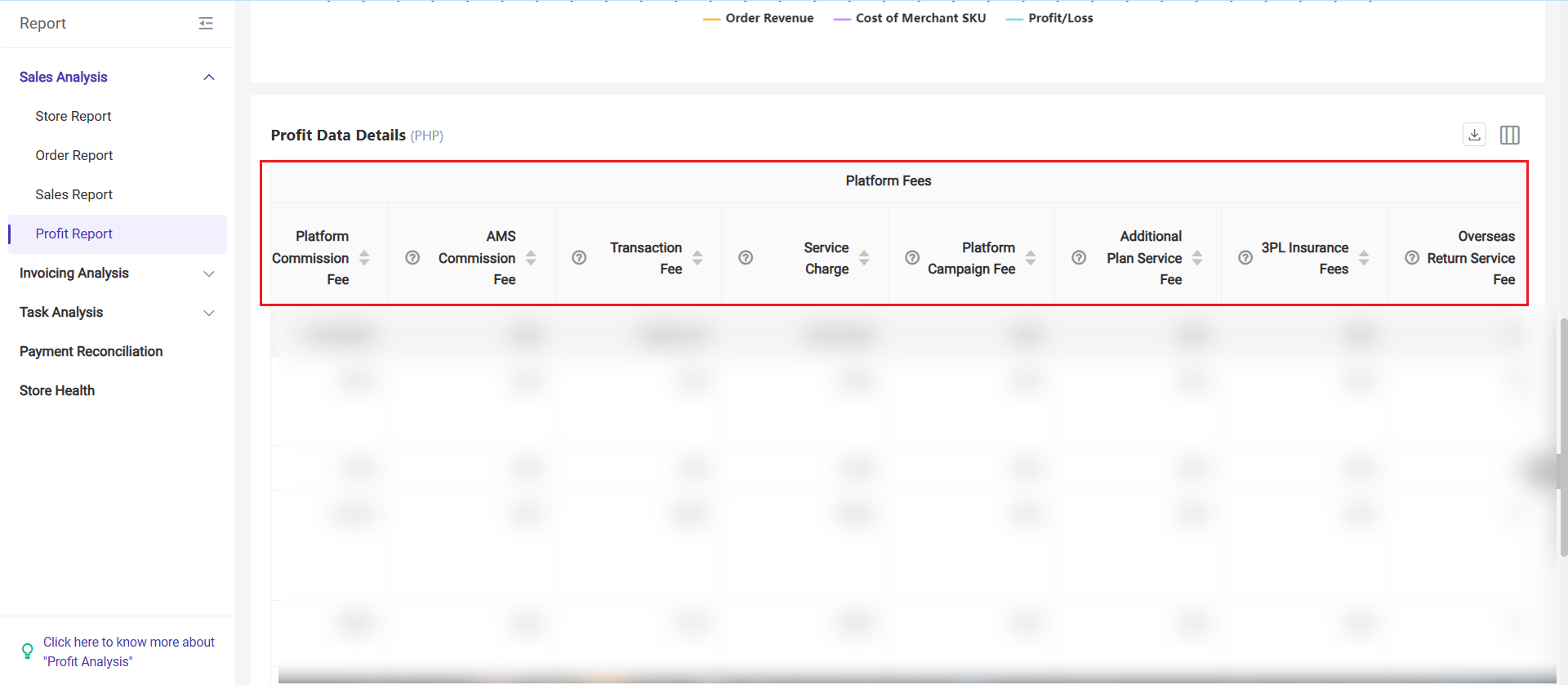
Because the report mirrors Shopee’s settlement logic and includes even canceled or adjusted orders with released financial data, sellers can finally see where money is really made or lost. Knowing your numbers allows you to decide whether Shopee is a profit channel, a volume channel, or simply a traffic channel and adjust your strategy accordingly.
If you’re selling on Shopee and want a clearer picture of what each order is actually earning you, you can try BigSeller for free today to see how order-level profit tracking changes the way you run your store.
Sometimes, the difference between struggling and sustaining isn’t price, it’s visibility.