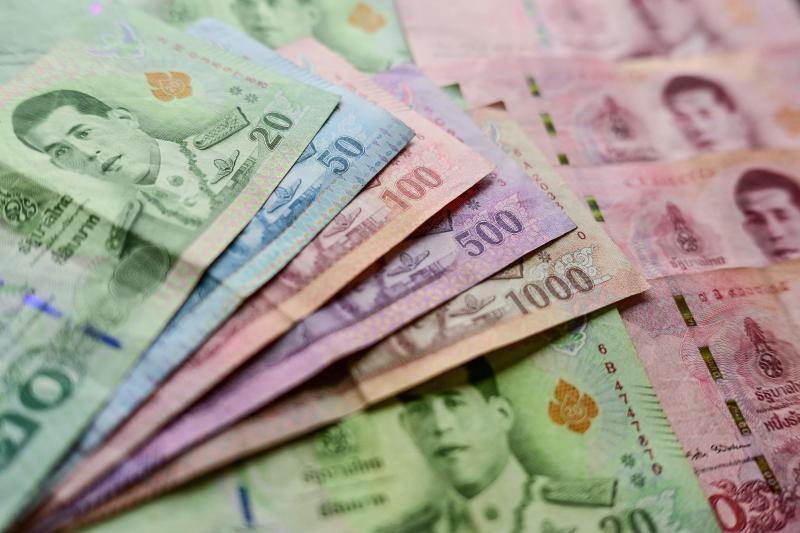
In fact, the Thai baht has risen by more than 11% against the US dollar since July this year, which is expected to be the largest single-quarter increase since 1998; if calculated for the whole year, it has risen by more than 4%.
Kriengkrai Thiennukul, chairman of the Federation of Thai Industries, said that the sharp appreciation of the Thai baht has put exporters in a difficult situation, causing higher production and financing costs, and making it more difficult to face the competition of a large number of cheap imports from China. A survey of entrepreneurs by the association in August also showed that 40.6% of respondents listed the appreciation of the Thai baht against the US dollar as a growing concern.
Currently, Thailand's GDP growth lags behind neighboring countries such as Indonesia and the Philippines, and tourism and exports are one of the few bright spots in the country's economy, with exports accounting for nearly 60% of GDP.
However, Poj Aramwattananon, vice chairman of the Thai Chamber of Commerce, said that if the appreciation of the baht is not restricted, it will hurt exporters' income and foreign tourists' spending from the fourth quarter of this year to early 2025, and the only solution is for the Bank of Thailand and the Ministry of Finance to take measures to curb currency appreciation and its volatility.