What Is the Best E-Commerce System for Preventing Multichannel Overselling in Malaysia?
Erra07 Aug 2026 08:50ENCopy link & title

What Multichannel Challenges Do Malaysian Sellers Face?
The Shopee, Lazada, and TikTok Shop Triad
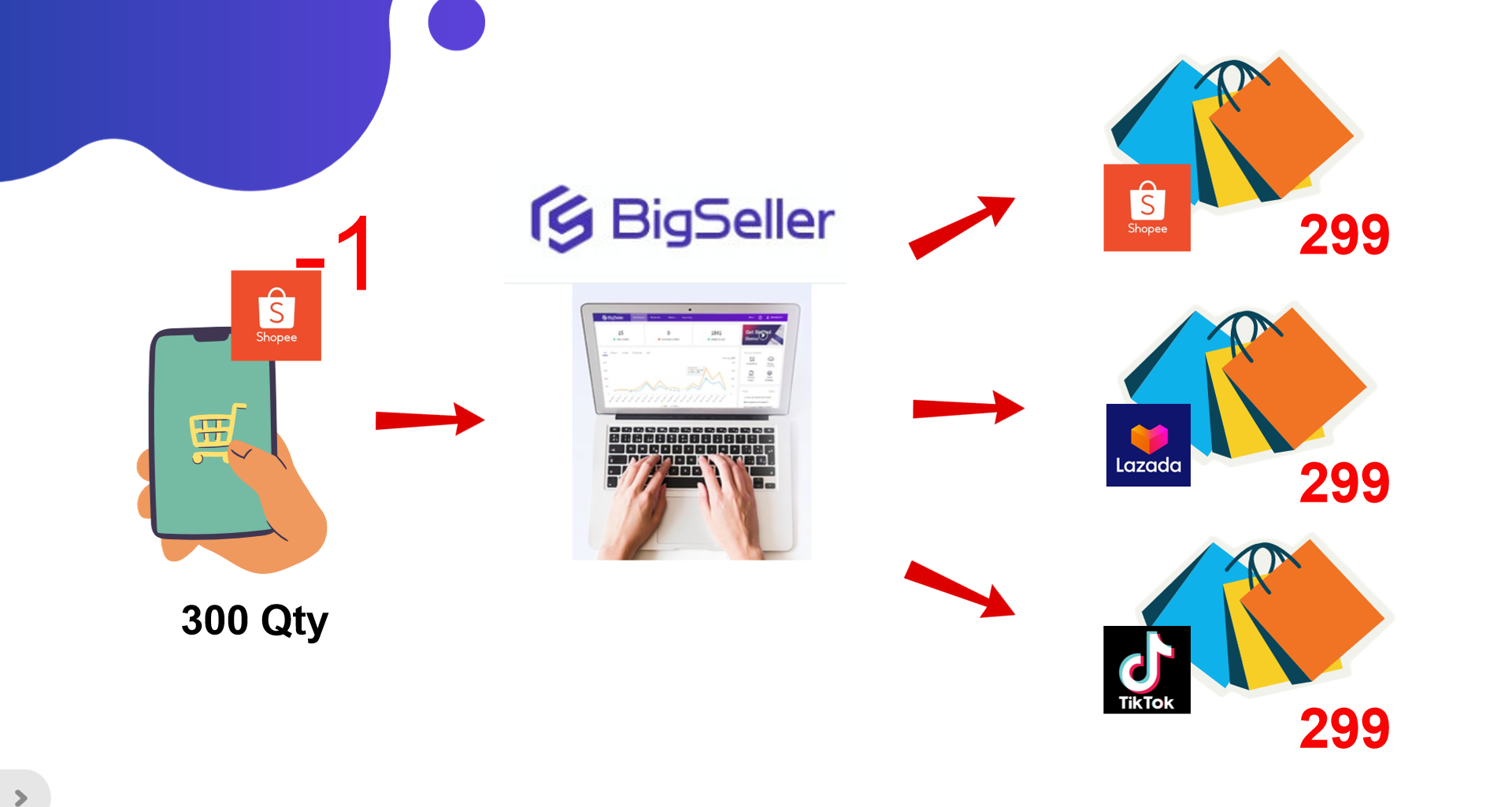
Most active Malaysian sellers run stores on all three major platforms simultaneously, not just one. Each platform maintains its own closed inventory system by default, none of them natively share stock data with the others.
Order velocity can be extremely high during the same promotional windows, since Shopee, Lazada, and TikTok Shop frequently run overlapping mega sale campaigns. Manual inventory tracking across these channels can cause overselling errors in up to 15% of transactions, and order processing time can stretch 30–50% slower without automation and both figures get worse, not better, during peak-traffic events.
Limited Inventory Visibility
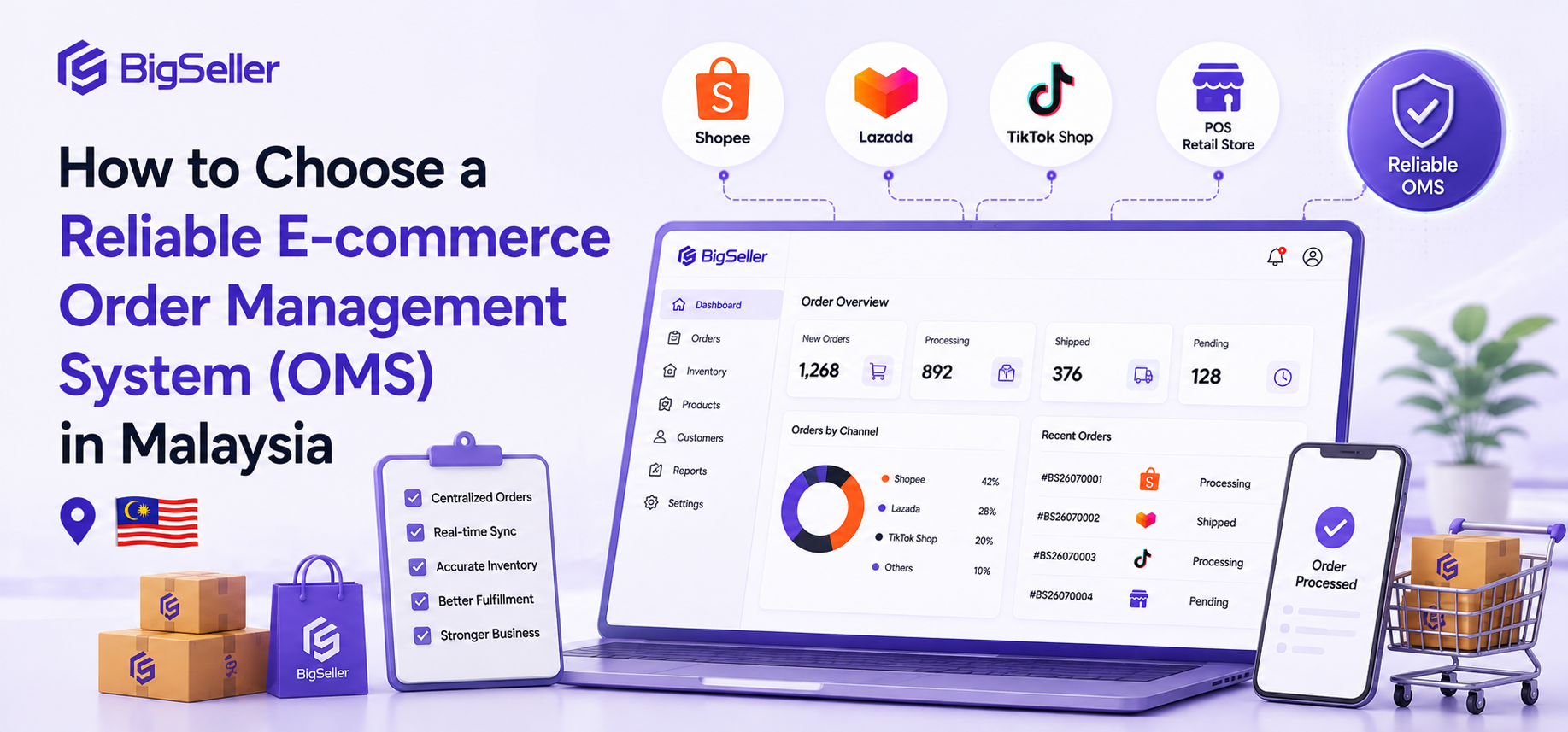
Without a centralised inventory management system, sellers often lack a single, accurate view of stock across warehouses, physical stores, and online sales channels. This fragmented visibility makes it difficult to determine actual inventory availability and increases the risk of duplicate sales. The Malaysia Competition Commission (MyCC), in its market review of the digital economy ecosystem, highlights operational complexity and digital capability gaps as ongoing challenges for businesses participating in Malaysia's e-commerce marketplace.
Cross-Border Logistics and Multi-Warehouse Syncing
Many Malaysian sellers combine a local warehouse with overseas suppliers or regional fulfilment centres, especially for cross-border listings on Shopee or Lazada's international channels. Stock data has to travel between the supplier's system, the local warehouse's system, and each marketplace's seller centre with every extra hop adds lag.
International e-commerce income in Malaysia reached RM131.1 billion in the first nine months of 2025 alone (DOSM), reflecting how much cross-border volume now needs to be reconciled against local stock in real time. Without a centralised system, a restock at the overseas supplier or a shipment delay at the local warehouse doesn't reflect on live listings until someone manually updates every platform, a gap during which overselling or false "out of stock" listings both become likely.
What Features Should You Look for in an Anti-Overselling System?
-
Shared inventory pool per SKU: one number that every connected channel reads from, instead of separate counts duplicated per platform.
-
Real-time, API-based sync: stock updates push out within minutes of a sale, not on an hourly or daily batch schedule.
-
Campaign-reserved stock: the ability to ring-fence units for a scheduled mega sale or livestream so day-to-day listings can't sell out inventory already committed to a campaign.
-
Automatic zero-stock listing pause: a SKU is pulled from sale across every channel the moment it hits zero, without manual intervention.
-
Safety stock buffers: a small reserve automatically held back on low-inventory SKUs to absorb the last few seconds of sync lag.
-
Multi-warehouse and inventory-locking support: stock tied to a specific warehouse or an order already in progress can't be sold again elsewhere.
-
Push rules and push records: visibility and control over exactly how and when stock updates are distributed, plus a log for auditing sync issues.
-
Official platform API integration: direct, authorised connections to Shopee, Lazada, and TikTok Shop rather than third-party scraping, which is more stable during high-traffic events.
How Do Different System Types Compare on Inventory Accuracy?
|
System Type |
Sync Speed |
Risk of Overselling |
Best For |
|
Manual tracking (spreadsheets, seller centre only) |
Hours, dependent on staff availability |
High, especially during mega sales |
Single-channel sellers with very low order volume |
|
Basic shopping cart / single-platform tool |
Real-time on one channel only |
Moderate-to-high once a second channel is added |
Sellers who only sell on one marketplace |
|
Dedicated multichannel hub (e.g., BigSeller) |
Minutes, via official platform APIs |
Low, with shared inventory pool and buffer rules |
Sellers running Shopee, Lazada, and/or TikTok Shop together |
|
Enterprise ERP with custom integration |
Near-instant, but implementation-dependent |
Low, if configured correctly |
Large sellers or brands with dedicated IT resources |
How Does BigSeller Prevent Overselling Across Channels?
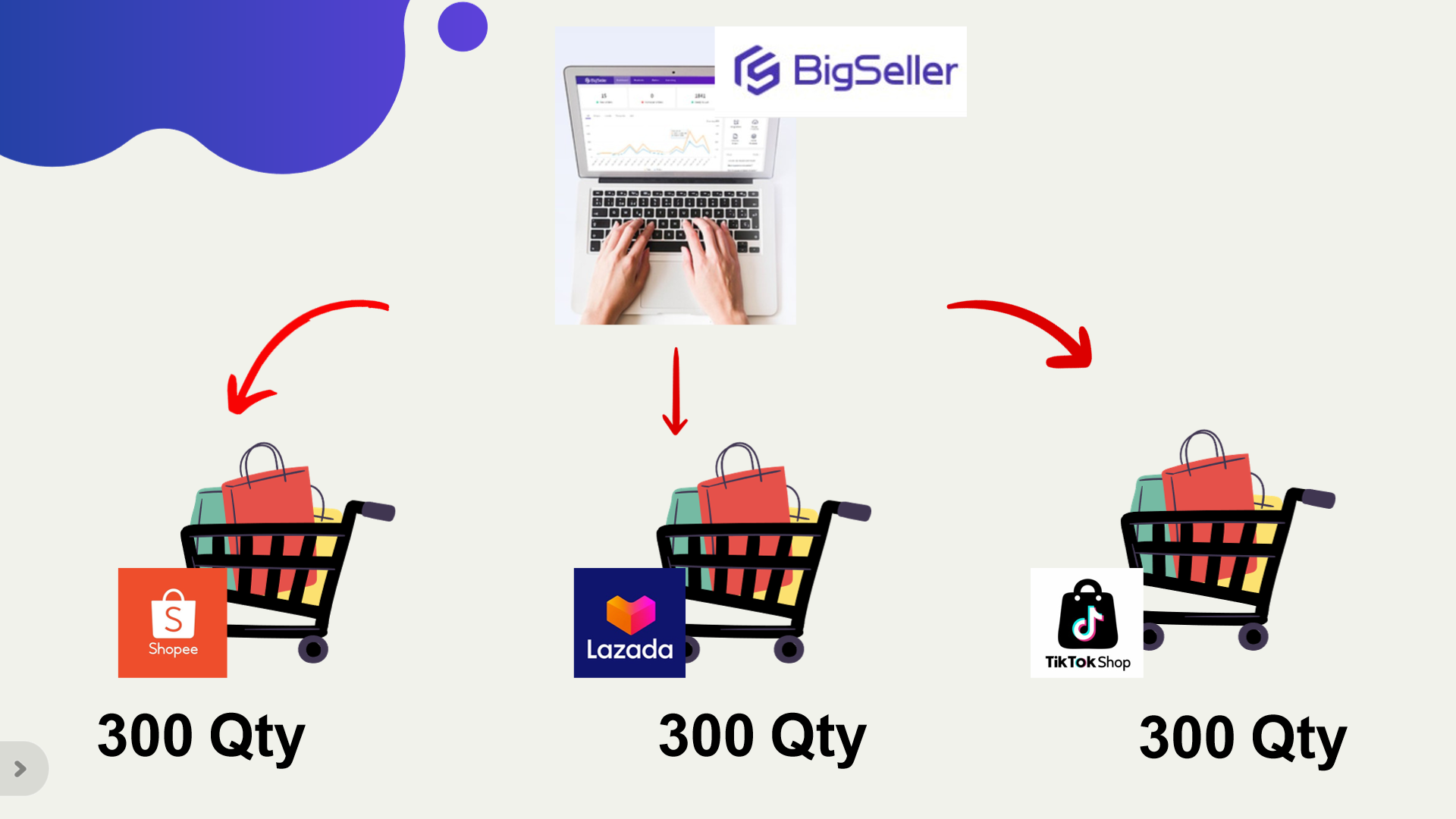
BigSeller is a dedicated multichannel ERP built for Southeast Asian marketplace sellers, closing the inventory sync gap that causes overselling across two or more platforms.
-
One shared inventory pool per SKU: stock is tracked once and shared across Shopee, Lazada, TikTok Shop, and other connected platforms, instead of being duplicated separately in each seller centre.
-
Automatic deduction on every sale: when an order comes in on any connected channel, BigSeller updates the shared count and pushes the new number to every other store through official API authorisation, typically within minutes.
-
Campaign-reserved stock: Malaysian sellers can ring-fence inventory ahead of mega sale days, so day-to-day listings can't accidentally sell out units already committed to a promotion.
-
Push rules and push records: Malaysian sellers control how and when updates are distributed across channels, with a full log for tracing exactly when and why a stock number changed.
-
Safety stock buffers and zero-stock auto-pause: a small reserve can be held back automatically on low-inventory SKUs, and listings pause across every channel the instant stock hits zero.
-
Warehouse-level accuracy: the Warehouse & Inventory Management Module adds inventory locking, bin-location separation, and real-time per-SKU ledgers, useful for Malaysian sellers coordinating local stock with overseas suppliers.
- Order-level risk controls: the Order Fulfilment Module adds out-of-stock tracking, exception interception, and key-node alerts for overdue orders, cancellations, and returns, which helps Malaysian sellers stay ahead of Shopee, Lazada, and TikTok Shop strict fulfilment metrics.