The Benefits of a Centralised System: Why One Dashboard Is Better for Online Sellers in Malaysia
Erra25 Nov 2026 04:00ENCopy link & title

What Is a Centralised System?
A centralised system is a single platform that connects different business operations, sales channels, and workflows in one place. For e-commerce businesses, this usually includes product listings, order processing, inventory management, warehouse operations, pricing, and sales reporting.
For example, a seller operating three Shopee stores, two TikTok Shop accounts, and one Lazada store would normally need to check each seller centre separately to manage daily operations.
With a centralised e-commerce system, these stores can be connected to one platform. Orders can be synchronised, inventory can be updated across connected channels, and business performance can be monitored from one dashboard.
Unlike using separate spreadsheets and marketplace dashboards, a centralised system gives sellers a more coordinated way to manage their operations.
What Are the Advantages of Having a Centralised System for E-Commerce Sellers in Malaysia?
1. Centralised Business Data
When sales, inventory and performance data are scattered across Shopee, Lazada, TikTok Shop and spreadsheets, it is difficult to understand overall business performance. A centralised system brings these details together, allowing sellers to monitor orders, revenue, estimated profits and inventory from one dashboard. They can also compare product performance across marketplaces to identify which items generate better returns.
2. Better Coordination Between Teams
As a business grows, marketing, warehouse and finance teams need access to consistent information. A centralised system gives employees access to the data relevant to their responsibilities without relying on constant updates through spreadsheets or messages. Sub-accounts and role-based permissions also allow business owners to control what each employee can access or manage.
3. Better Inventory and Campaign Coordination
Selling across multiple marketplaces increases the risk of overselling when stock levels are not updated consistently. A centralised inventory system synchronises stock across connected stores based on configured rules. Sellers can also reserve stock for upcoming campaigns, helping them plan promotions and replenishment more effectively, especially during major shopping events in Malaysia.
4. Less Manual Work and Fewer Operational Errors
Managing several seller dashboards often means repeating tasks such as updating prices, adjusting stock and processing orders. A centralised system reduces this workload through automation and bulk operations, including order synchronisation, product editing, inventory updates and batch shipping label printing. This leaves teams with more time for other business activities.
5. Faster Identification of Business Problems
Checking separate reports makes it harder to spot operational issues. With sales, cancellations, advertising expenditure, estimated profits and inventory data in one place, sellers can identify warning signs more quickly. For example, they can spot rising advertising costs or products approaching their minimum stock levels before these issues affect performance.
6. Easier Business Expansion Across Multiple Channels
Expanding from Shopee to Lazada, TikTok Shop or physical retail adds more orders, listings and inventory to manage. A centralised system provides a more consistent way to coordinate these operations across connected marketplaces, warehouses and offline sales channels, making business expansion easier to manage.
How Does a Centralised System Compare with Other E-Commerce Management Approaches?
|
Feature |
Spreadsheets |
Individual Platform Dashboards |
Static Reports |
Centralised E-Commerce ERP |
|
Data visibility |
Manually updated |
Separate platform data |
Historical snapshots |
Consolidated dashboard |
|
Inventory management |
Manual updates |
Platform-specific |
Limited visibility |
Cross-store synchronisation |
|
Order processing |
Manual recording |
Separate workflows |
Not interactive |
Centralised processing |
|
Team collaboration |
Shared files |
Separate access |
Email updates |
Shared operational information |
|
Automation |
Limited |
Platform-dependent |
None |
Automated workflows |
|
Scalability |
Difficult with more stores |
Requires switching platforms |
More reporting work |
Supports multiple stores and channels |
Spreadsheets are useful for small businesses that need simple record-keeping, while individual seller centres provide direct access to marketplace-specific functions.
However, as sellers add more stores and sales channels, keeping everything updated manually becomes increasingly difficult.
A centralised e-commerce ERP is more suitable for Malaysian businesses that want to coordinate multiple operations without maintaining separate workflows for every platform.
How to Get Started with a Centralised System in Malaysia
Managing multiple sales channels doesn't have to mean managing multiple dashboards. With BigSeller, Malaysian sellers can connect their Shopee, Lazada, and TikTok Shop stores and manage their everyday e-commerce operations through one system.
Here's how BigSeller main capabilities help online sellers keep their operations organised.
Manage Product Listings Across Multiple Stores
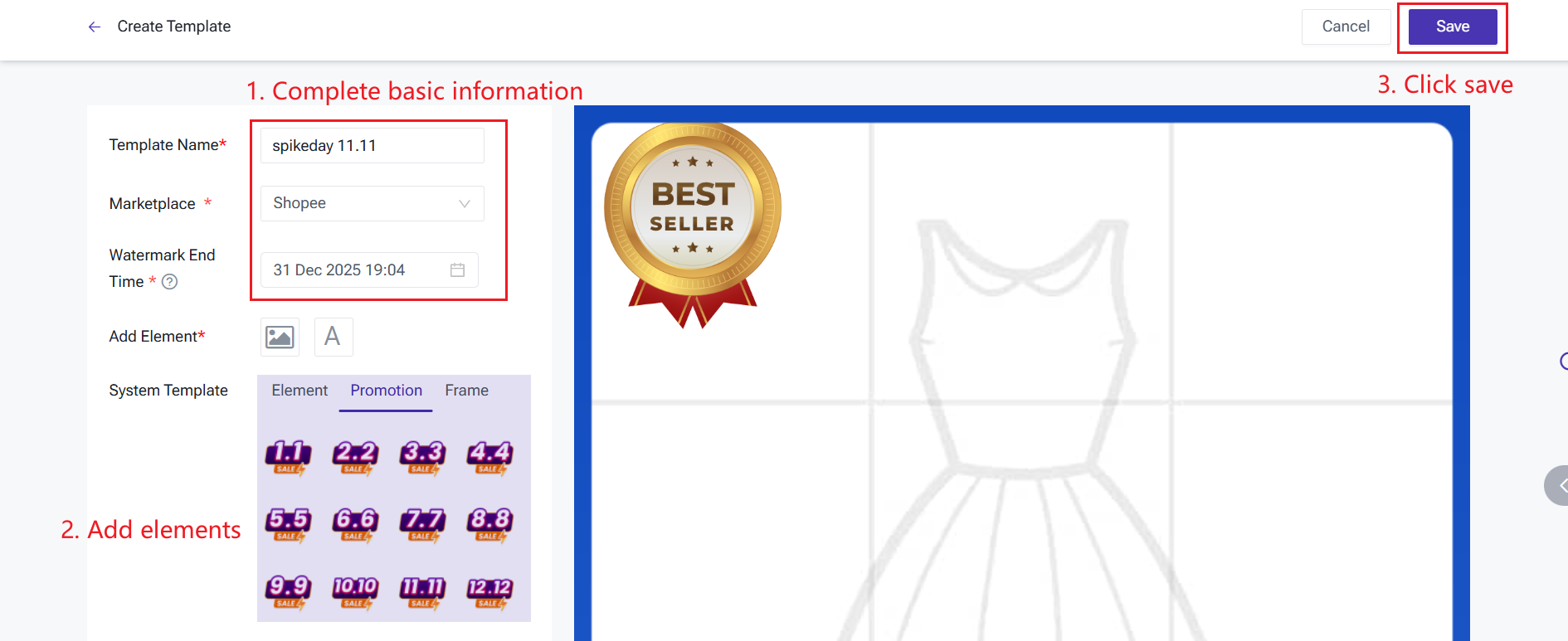
Updating hundreds of product listings individually can take considerable time. With BigSeller's Product Marketing Module, sellers can collect, migrate, publish, and edit product information across connected stores.
You can also use bulk editing, price synchronisation, image editing, watermarking, and translation tools to manage listings more efficiently. For Shopee and TikTok Shop sellers, BigSeller also supports promotional campaign management, including discounts, flash sales, and bundles.
Process Orders Without Switching Seller Centres
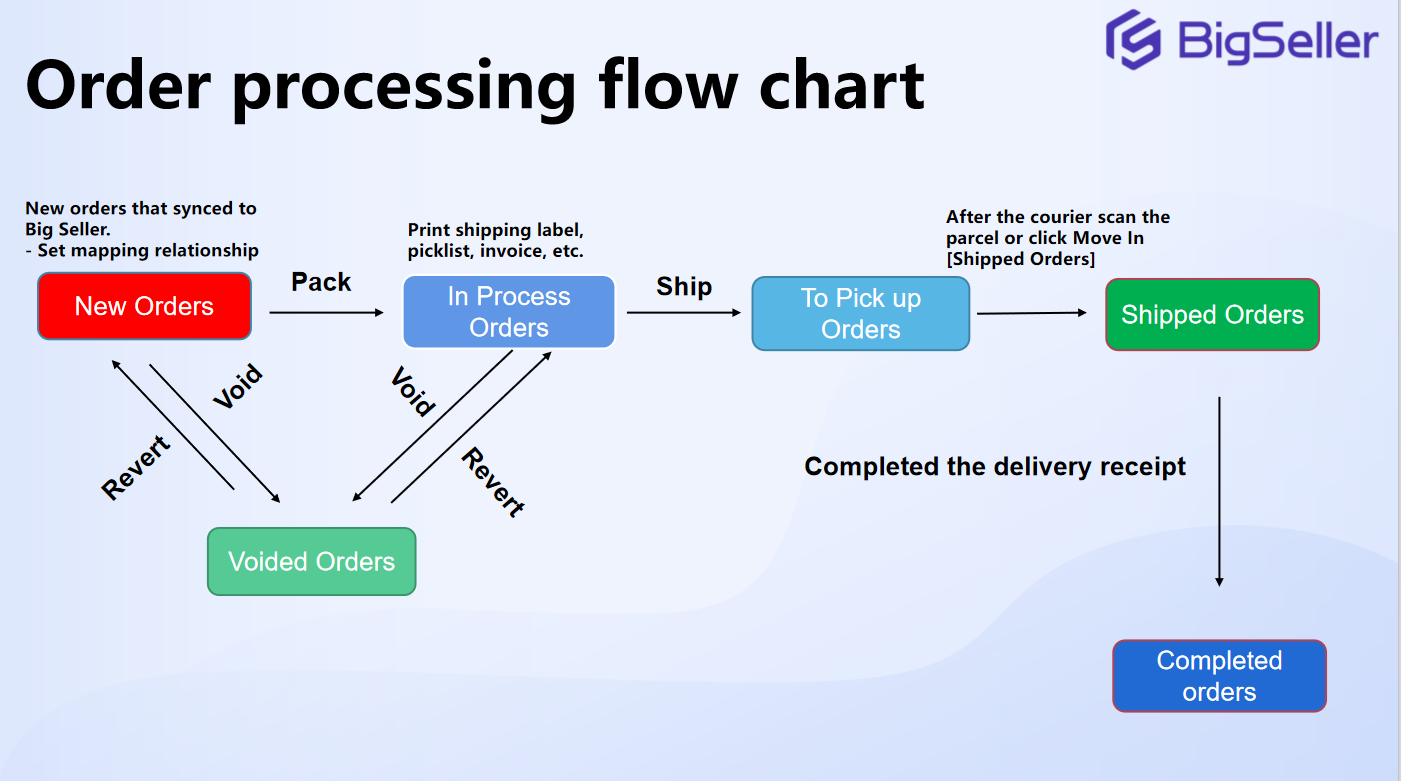
Instead of checking every marketplace for new orders, BigSeller's Order Fulfilment Module synchronises orders from connected platforms into one dashboard.
You can process orders in batches, print shipping labels and pick lists, manage warehouse assignments, and monitor delivery progress. BigSeller also supports returns, refunds, exchanges, and other after-sales workflows.
This makes it easier for sellers to keep track of pending orders and fulfilment activities without jumping between different platforms.
Keep Inventory and Warehouse Operations Connected
When the same product is sold through multiple stores, keeping stock quantities accurate is essential.
BigSeller synchronises inventory across connected channels and provides tools for stock reservations, warehouse transfers, and smart purchasing recommendations.
For businesses managing their own warehouses, BigSeller’s WMS also supports wave picking, optimised picking routes, task assignments, and PDA barcode scanning. These features help warehouse teams organise picking and packing, particularly when order volumes increase.
Coordinate Promotions and Advertising
Running promotions across several stores can involve plenty of repeated work. BigSeller allows sellers to manage selected Shopee and TikTok Shop campaigns in bulk, including discounts, bundles, and flash sales.
BigSeller also integrates advertising data from these platforms, with campaign monitoring, budget allocation, automated rules, and alerts to help sellers review ROI and ROAS performance.
Monitor Sales and Business Performance
Having all your orders in one place is useful, but understanding how your business is performing is just as important.
BigSeller's Analytics and Reporting Module brings together sales, estimated profit, inventory, and order performance data. You can review top-performing SKUs, identify slow-moving products, monitor cancelled orders, and analyse warehouse performance.
For Malaysian sellers, BigSeller also supports financial software integration with SQL Account, AutoCount, and MyInvois, helping connect e-commerce operations with accounting and compliance workflows.
Manage Operations on the Go
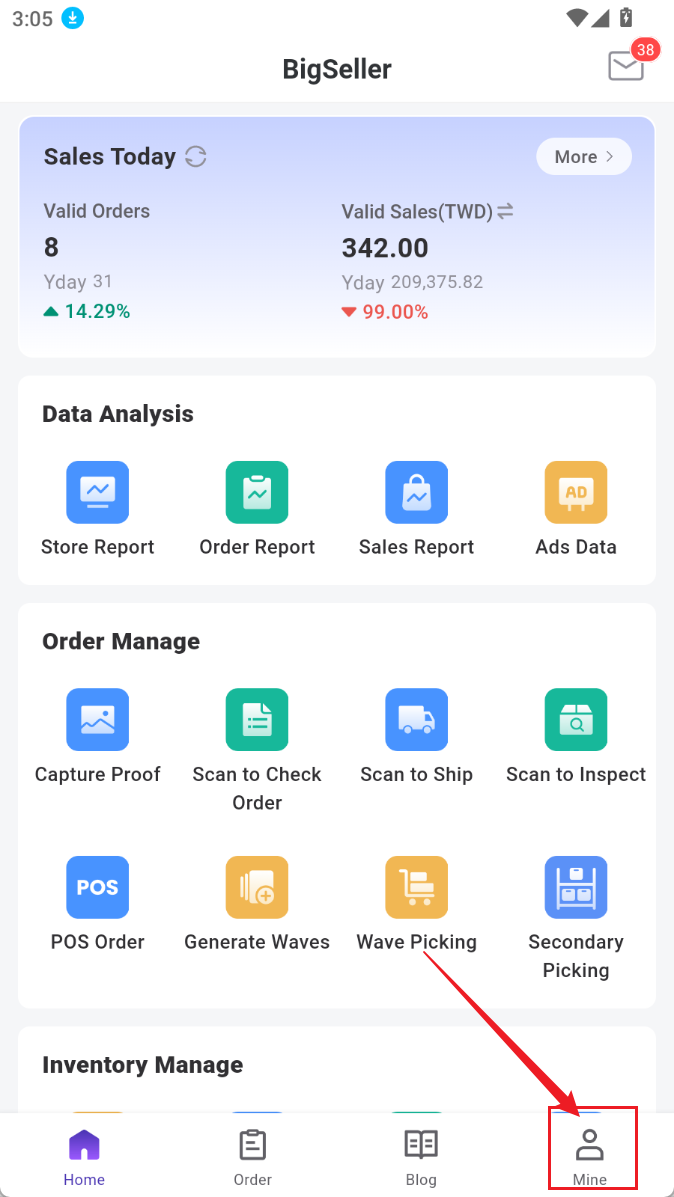
You don't always need to be at your computer to keep track of your business. BigSeller's mobile app lets sellers receive new-order notifications, monitor sales performance, process orders, and update inventory.
Mobile and desktop inventory data are synchronised, so sellers can stay updated even when they are away from the office or warehouse.
Get Local Support When You Need It
Moving to a new system can take some adjustment, especially when your team is used to managing everything through spreadsheets and separate seller centres.
BigSeller provides customer support six days a week, 12 hours per day, alongside multilingual assistance, online and offline training, and remote guidance. On-site implementation is also available based on business requirements.
As your business grows, you can connect additional stores, manage more warehouses, and introduce more automated workflows.
For Malaysian sellers looking to spend less time switching between platforms and more time growing their business, BigSeller provides a centralised way to manage everyday e-commerce operations.