Best E-commerce Dropshipping Suppliers in 2026: Top Picks for Filipino Sellers
Jayson21 Jan 2026 12:29ENCopy link & title
Dropshipping remains a practical way for Filipino online sellers to test products and scale with low upfront inventory risk — but in 2026 the difference between a struggling shop and a profitable one often comes down to your supplier choices.
Below is a practical, no-fluff guide to the kinds of suppliers Filipino sellers should consider in 2026, plus specific platforms that work well in the Philippines and simple vetting/integration steps you can apply right away.

Choose suppliers based on the niche, margin target, and logistics needs:
International directories / marketplaces
Dropshipping platforms with PH/local warehouses
Local suppliers / wholesalers / makers
Print-on-demand & white-label suppliers
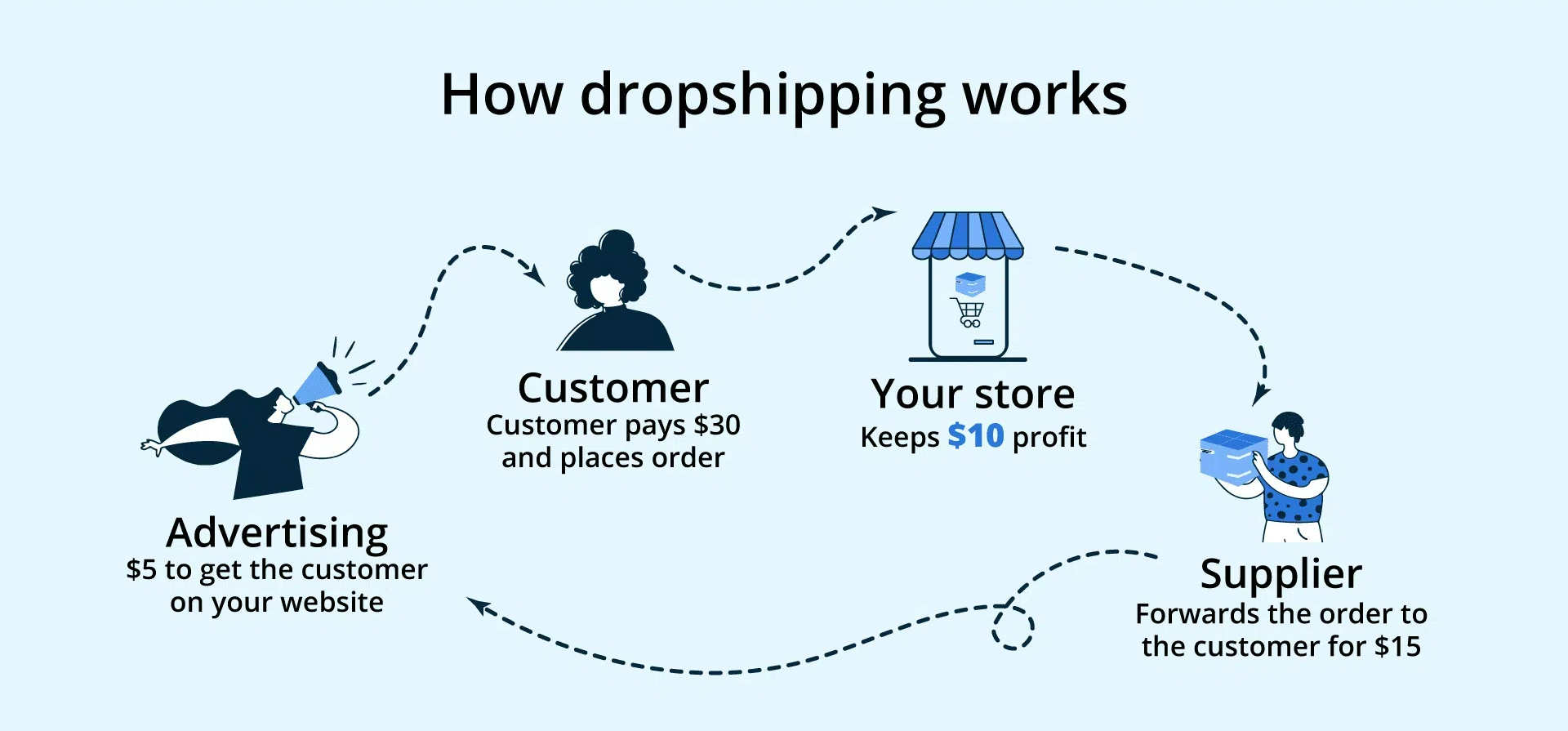
Use the list below as starting points — test 1–2 suppliers per product/niche and measure real delivery times and return friction.
(1). CJDropshipping (CJ) — Good option when you want faster Philippines delivery and local stock options; helpful for sellers who want shorter fulfilment time without holding inventory. Verify PH-warehouse inventory before listing.
(2). AliExpress (select vetted sellers & ePacket / local stock) — Still a major source for cheap products and niche items. Pick highly rated sellers with many completed orders and local shipping options. Use automation tools carefully and check lead times per SKU.
(3). Printful / Spocket (for POD and higher-margin items) — Good when you want branding, higher perceived value, and better quality control. Integrates with Shopify and many marketplaces.
(4). Local wholesalers / makers (search locally or via Filipino B2B directories) — Best when speed and local brand are priorities. Consider partnerships with local suppliers that can accept single-order fulfilment and provide consistent product photos/details.
(5). Marketplaces as source channels (Shopee / Lazada sellers) — In some cases Filipino sellers resell items from marketplace listings; this can work short-term but watch out for policy limits and listing restrictions. Always confirm the supplier allows reselling and that the shipping/return terms suit your customers.
Follow these steps before you add a supplier to your live listings:
(1). Proof of fulfilment & test order
Do a paid test order to a local PH address. Check package handling, tracking accuracy, delivery time, and the condition of the item on arrival. (This is non-negotiable.)
(2). Returns, refunds & communication
Confirm the supplier’s returns policy, processing time, and who covers return shipping. Suppliers that respond within 24 hours prove useful for resolving buyer disputes.
(3). Platform integration & automation
Pick suppliers that integrate with your store (Shopify, WooCommerce) or marketplace listing tools. Automation reduces manual order errors and keeps stock/pricing in sync. Use the supplier’s API or apps where available.
(4). Local logistics & payment options
For Philippine buyers, options like cash on delivery (COD), local courier compatibility, and clear VAT/import handling matter. If the supplier can ship from a PH warehouse, that’s a big plus.
If you want reliable, fast local delivery and predictable returns: prioritise suppliers with Philippine warehouses or trusted local wholesalers. If your model needs ultra-low product costs and you can manage longer lead times, vetted AliExpress suppliers remain useful. Remember, always run a paid test order, confirm integration, and monitor performance metrics (delivery time, refund rate, customer rating) before scaling.
Furthermore, in 2026, if sellers want to better manage their dropshipping business or expand into more sales channels, an automated ERP tool like BigSeller will be particularly important. Try these popular features now:
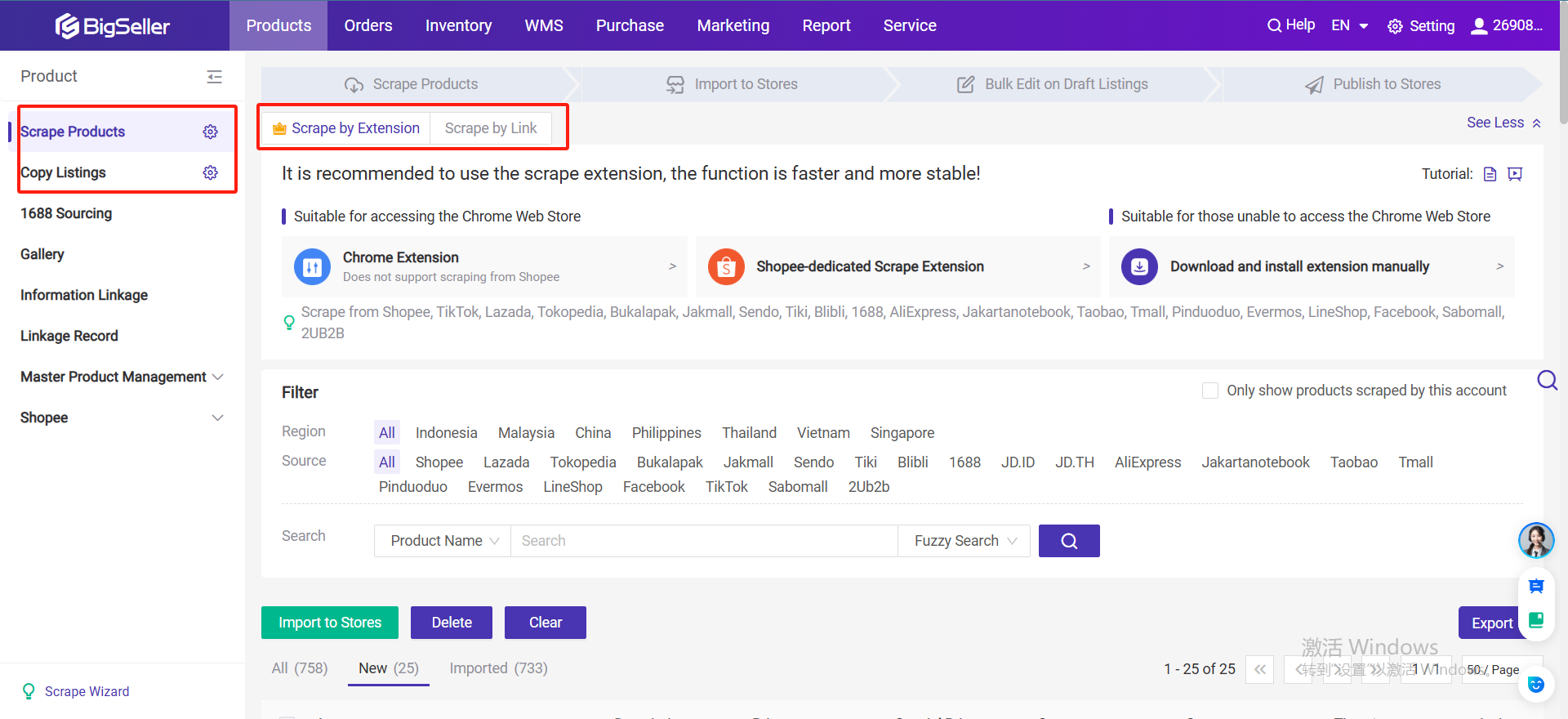
✨ Bulk Publish & Product Scrape:
Easily scrape and publish trending products from Shopee, Lazada, and TikTok Shop with one click.
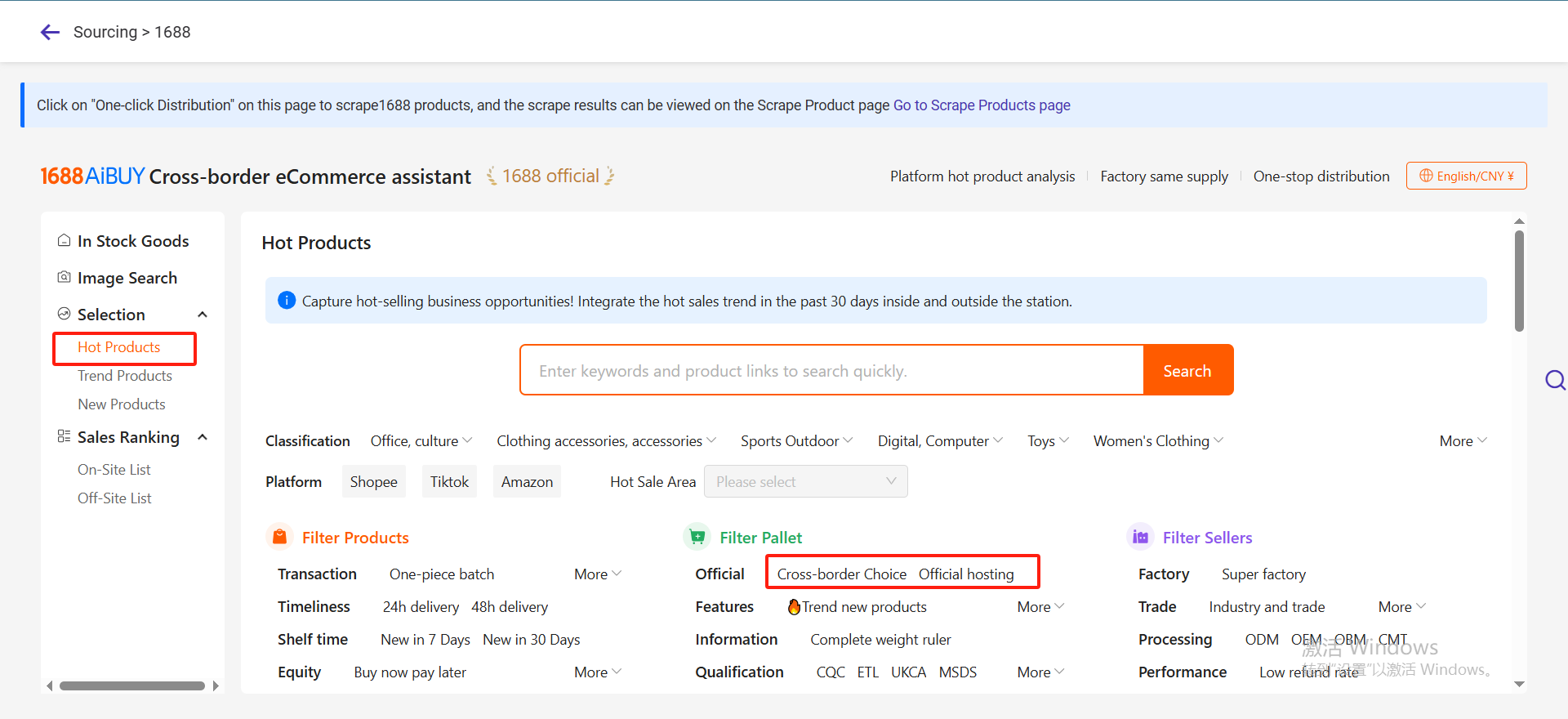
🔍 1688 Sourcing & Price Comparison
Quickly find and compare prices on the 1688 platform to find the best suppliers and directly create purchase orders.
Below is a practical, no-fluff guide to the kinds of suppliers Filipino sellers should consider in 2026, plus specific platforms that work well in the Philippines and simple vetting/integration steps you can apply right away.
1. Supplier types that work well for Filipino sellers
Choose suppliers based on the niche, margin target, and logistics needs:
International directories / marketplaces
- Pros: huge product variety, low wholesale prices.
- Cons: longer shipping times unless the supplier pre-stocks regionally; variable quality. Use only trusted sellers with high ratings and ePacket/local warehouse options. Shopify’s supplier lists remain a useful starting point for reputable directories.
Dropshipping platforms with PH/local warehouses
- Pros: local warehouses in the Philippines or regional stock can cut delivery to days (3–7 days for pre-stocked items), better returns handling and local tracking. CJ, for example, operates a Philippine site/warehouse and local fulfilment services.
- Cons: sometimes higher sourcing cost than raw AliExpress listings.
Local suppliers / wholesalers / makers
- Pros: best for fast delivery, easier returns, and local brand positioning (Filipino-made). Great for products where "local" is a selling point.
- Cons: smaller catalog; may require negotiation for dropship-friendly processes.
Print-on-demand & white-label suppliers
- Pros: useful for branded or niche higher-margin goods (custom apparel, prints). Integration with Shopify and marketplaces can be seamless.
2. Practical suppliers recommendation list for 2026
Use the list below as starting points — test 1–2 suppliers per product/niche and measure real delivery times and return friction.
(1). CJDropshipping (CJ) — Good option when you want faster Philippines delivery and local stock options; helpful for sellers who want shorter fulfilment time without holding inventory. Verify PH-warehouse inventory before listing.
(2). AliExpress (select vetted sellers & ePacket / local stock) — Still a major source for cheap products and niche items. Pick highly rated sellers with many completed orders and local shipping options. Use automation tools carefully and check lead times per SKU.
(3). Printful / Spocket (for POD and higher-margin items) — Good when you want branding, higher perceived value, and better quality control. Integrates with Shopify and many marketplaces.
(4). Local wholesalers / makers (search locally or via Filipino B2B directories) — Best when speed and local brand are priorities. Consider partnerships with local suppliers that can accept single-order fulfilment and provide consistent product photos/details.
(5). Marketplaces as source channels (Shopee / Lazada sellers) — In some cases Filipino sellers resell items from marketplace listings; this can work short-term but watch out for policy limits and listing restrictions. Always confirm the supplier allows reselling and that the shipping/return terms suit your customers.
3. How to vet and integrate a dropshipping supplier (simple checklist)
Follow these steps before you add a supplier to your live listings:
(1). Proof of fulfilment & test order
Do a paid test order to a local PH address. Check package handling, tracking accuracy, delivery time, and the condition of the item on arrival. (This is non-negotiable.)
(2). Returns, refunds & communication
Confirm the supplier’s returns policy, processing time, and who covers return shipping. Suppliers that respond within 24 hours prove useful for resolving buyer disputes.
(3). Platform integration & automation
Pick suppliers that integrate with your store (Shopify, WooCommerce) or marketplace listing tools. Automation reduces manual order errors and keeps stock/pricing in sync. Use the supplier’s API or apps where available.
(4). Local logistics & payment options
For Philippine buyers, options like cash on delivery (COD), local courier compatibility, and clear VAT/import handling matter. If the supplier can ship from a PH warehouse, that’s a big plus.
Conclusion:
If you want reliable, fast local delivery and predictable returns: prioritise suppliers with Philippine warehouses or trusted local wholesalers. If your model needs ultra-low product costs and you can manage longer lead times, vetted AliExpress suppliers remain useful. Remember, always run a paid test order, confirm integration, and monitor performance metrics (delivery time, refund rate, customer rating) before scaling.
Furthermore, in 2026, if sellers want to better manage their dropshipping business or expand into more sales channels, an automated ERP tool like BigSeller will be particularly important. Try these popular features now:
✨ Bulk Publish & Product Scrape:
Easily scrape and publish trending products from Shopee, Lazada, and TikTok Shop with one click.
🔍 1688 Sourcing & Price Comparison
Quickly find and compare prices on the 1688 platform to find the best suppliers and directly create purchase orders.
BigSeller is the ultimate e-commerce SaaS ERP system designed for Southeast Asian sellers, aiming to help you improve efficiency and expand more business channels. It simplifies all processes on one dashboard—from product listing and order processing to inventory management, financial tracking, and automated operations. Customized subscription plans are also available for different types of sellers.
Vist our website to know more 👉BigSeller ERP
Vist our website to know more 👉BigSeller ERP
BigSeller-Blog Senior Writer: Jayson
Sir Jayson has worked in well-known e-commerce companies such as Shopee and TikTok Shop, helping hundreds of sellers to deepen their e-commerce industry, expand their business, and eventually become high-quality sellers.