Holy Week 2026 Philippines: A Guide for Lazada, Shopee, and TikTok Shop Sellers
Jayson10 Mar 2026 12:28ENCopy link & title
Holy Week 2026 in the Philippines will significantly shape how Filipinos spend, travel, and shop online, so e‑commerce sellers who plan early will be in a much better position to serve customers well.
Holy Week runs from Palm Sunday on March 29 to Easter Sunday on April 5, with key non‑working holidays on April 2–4 (Maundy Thursday, Good Friday, Black Saturday), which creates both constraints and opportunities for online businesses.

Holy Week is the most important religious observance for many Filipinos, marking the passion, death, and resurrection of Jesus Christ within the Catholic liturgical calendar. Over 80% of Filipinos identify as Roman Catholic, and religious practices such as church visits, processions, and family gatherings remain strong nationwide, including in major cities. This deep religious culture means that Holy Week changes not only schedules, but also mindsets and spending priorities.
In 2026, Holy Week in the Philippines begins with Palm Sunday on March 29 and ends with Easter Sunday on April 5. Maundy Thursday (April 2), Good Friday (April 3), and Black Saturday (April 4) fall within this week and are treated as core holy days, with Maundy Thursday and Good Friday usually classified as regular holidays and Black Saturday as a special non‑working day. For e‑commerce sellers, these days often bring reduced business hours for banks, government offices, and logistics providers.
Because of the combination of faith and family time, Holy Week changes how Filipinos use the internet and how they shop. Many people reduce non‑essential activities on Maundy Thursday and Good Friday, but they also prepare ahead of time for food, travel, and home needs, and then resume more active shopping right after Easter. This creates a pattern where demand builds before Holy Week, softens on the most solemn days, and often rebounds as people return to normal routines.
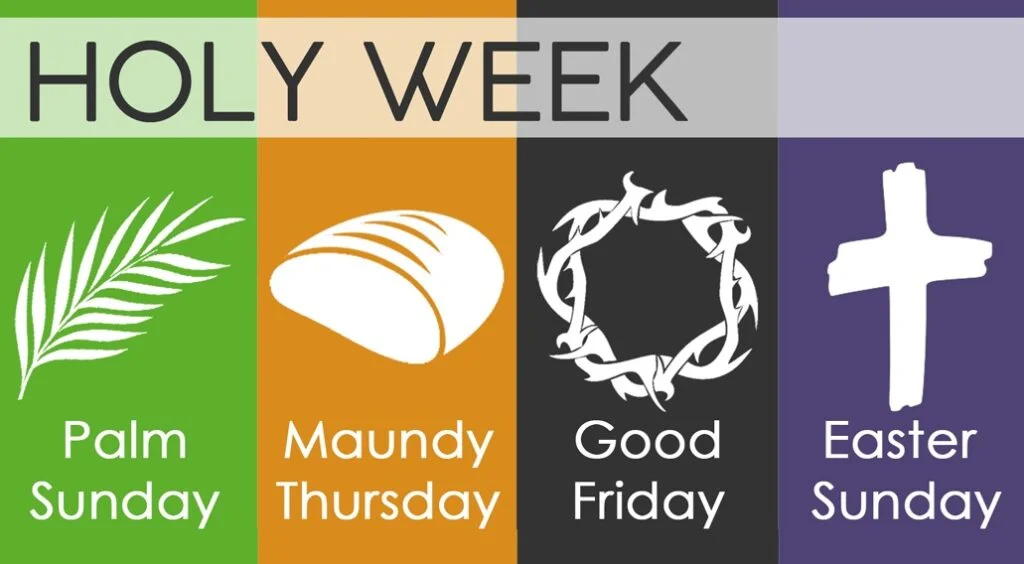
Thinking of Holy Week 2026 as a timeline makes planning much easier. The practical window for most online sellers runs from mid‑March to mid‑April, with March 29–April 5 as the core Holy Week period and April 2–4 as the non‑working holiday stretch. Many employers and schools adjust schedules during this period, creating a multi‑day break.
Filipino consumers are already active online from March to May, which is the country’s dry season and a peak time for summer trips, outings, and related purchases. Data from local e‑commerce and logistics studies show that major Philippine online shopping events cluster around seasonal needs, including back‑to‑school, year‑end holidays, and summer, when people stock up on apparel, travel gear, and home products. This means your Holy Week planning should not be isolated from your broader summer strategy.
A practical way to map your campaigns is to divide the period into four phases:
Filipino online shopping around Holy Week tends to follow a few clear patterns, influenced by both faith and the hot summer weather.
(1). Before Holy Week itself, many households prioritize essential and home‑focused purchases. Surveys of Filipino consumers show steady demand for groceries, home supplies, and small appliances as families plan to stay home or host relatives during the long weekend, particularly when travel costs are high. For e‑commerce sellers, this is a good time to highlight practical bundles such as pantry staples, household cleaning sets, or simple cooking tools.
(2). At the same time, Holy Week coincides with peak summer months, when domestic travel and out‑of‑town trips increase. Market research on Filipino e‑commerce has noted that apparel, fashion accessories, personal care, and travel‑related items (like luggage, backpacks, swimwear, and sun protection) are strong categories during the broader March–May period. Many customers plan and book trips ahead of Holy Week, so these items often see increased interest in early to mid‑March.

(3). Finally, faith itself influences what people buy and what they avoid. Research on Filipino purchase behavior points out that religious practices and modest values can temper conspicuous consumption, especially during solemn religious seasons. Some shoppers redirect spending toward donations, religious paraphernalia, or simpler, more practical items, and they may respond better to helpful, value‑driven messaging than to luxury or indulgent themes during Holy Week.

To make Holy Week work for your online store, it is helpful to break tactics down by phase and align them with Filipino values.
(1). In the pre‑Holy Week period, focus on educational and planning‑oriented campaigns. You can run content such as “Holy Week home checklist”, “Travel packing list for the long weekend”, or “Simple meals for family reunions”, and then connect these to your products without pushing overly hard. Studies on Filipino shopping behavior highlight that consumers respond well to brands that feel helpful, trustworthy, and community‑oriented, not just promotional. For platforms like Lazada, Shopee, or your own website, consider bundles that reduce decision fatigue, such as “Holy Week essentials” or “Summer starter packs”.
(2). During Holy Week itself, especially on Maundy Thursday and Good Friday, it is wise to soften tone and volume. Instead of aggressive flash sales or loud creative, shift toward respectful visuals, family themes, and messages around gratitude, reflection, and togetherness. Information on Maundy Thursday and Good Friday in the Philippines shows that many businesses either close or reduce operations, and many people attend services or processions. Keeping your brand present but low‑pressure on these days helps avoid backlash and aligns with customer expectations.
(3). After Easter Sunday, a short, focused rebound campaign can recapture attention. People who delayed purchases may be ready to buy once work and school resume. You can remarket to visitors who browsed during pre‑Holy Week without purchasing, and launch “back to routine” offers such as office wear, school supplies, and productivity tools. This also dovetails with ongoing summer needs, giving you room to continue campaigns into April.
Q1: When is Holy Week 2026 in the Philippines?
A1: Holy Week 2026 runs from Palm Sunday on March 29 to Easter Sunday on April 5, with Maundy Thursday on April 2, Good Friday on April 3, and Black Saturday on April 4.
Q2: Are couriers and banks operating normally during Holy Week?
A2: Most banks and many offices operate on shortened schedules or close on Maundy Thursday and Good Friday, and couriers typically reduce operations or pause certain services on key holy days, which can slow deliveries.
Q3: What products should I highlight before Holy Week?
A3: Strong categories around this period include groceries, home essentials, summer apparel, travel gear, and simple home entertainment items, reflecting both family gatherings and increased domestic travel.
Furthermore, if sellers want to better manage their online business on Holy week, or expand into more sales channels, an automated ERP tool like BigSeller will be particularly important. Try these popular features now:
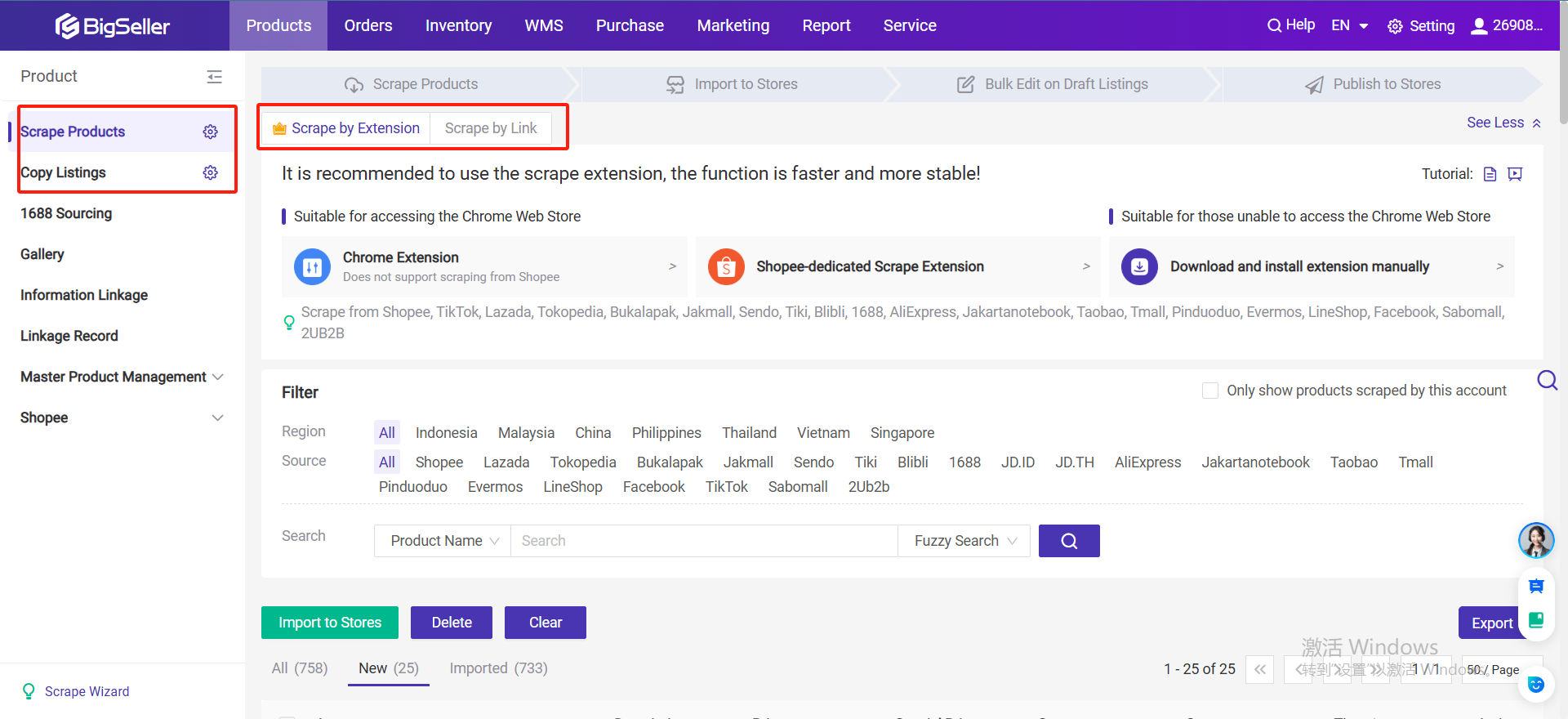
✨ Bulk Publish & Product Scrape:
Easily scrape and publish trending Holy week products from Shopee, Lazada, and TikTok Shop with one click.
🔍 1688 Sourcing & Price Comparison
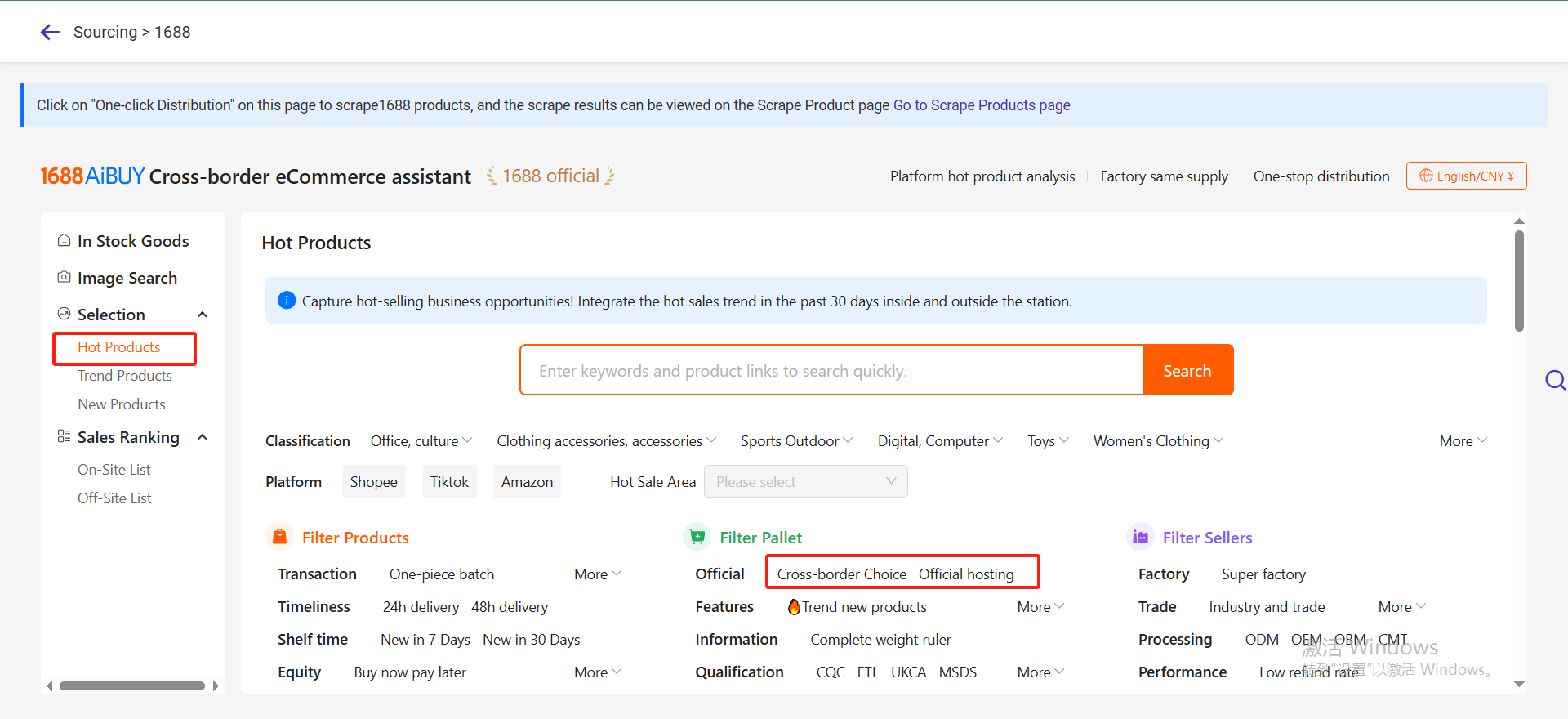
Quickly find and compare prices on the 1688 platform to find the best suppliers and directly create purchase orders.
Holy Week runs from Palm Sunday on March 29 to Easter Sunday on April 5, with key non‑working holidays on April 2–4 (Maundy Thursday, Good Friday, Black Saturday), which creates both constraints and opportunities for online businesses.
1. What Is Holy Week and Why It Matters to Filipino E‑Commerce
Holy Week is the most important religious observance for many Filipinos, marking the passion, death, and resurrection of Jesus Christ within the Catholic liturgical calendar. Over 80% of Filipinos identify as Roman Catholic, and religious practices such as church visits, processions, and family gatherings remain strong nationwide, including in major cities. This deep religious culture means that Holy Week changes not only schedules, but also mindsets and spending priorities.
In 2026, Holy Week in the Philippines begins with Palm Sunday on March 29 and ends with Easter Sunday on April 5. Maundy Thursday (April 2), Good Friday (April 3), and Black Saturday (April 4) fall within this week and are treated as core holy days, with Maundy Thursday and Good Friday usually classified as regular holidays and Black Saturday as a special non‑working day. For e‑commerce sellers, these days often bring reduced business hours for banks, government offices, and logistics providers.
Because of the combination of faith and family time, Holy Week changes how Filipinos use the internet and how they shop. Many people reduce non‑essential activities on Maundy Thursday and Good Friday, but they also prepare ahead of time for food, travel, and home needs, and then resume more active shopping right after Easter. This creates a pattern where demand builds before Holy Week, softens on the most solemn days, and often rebounds as people return to normal routines.
2. Mapping Holy Week 2026 to Your E‑Commerce Calendar
Thinking of Holy Week 2026 as a timeline makes planning much easier. The practical window for most online sellers runs from mid‑March to mid‑April, with March 29–April 5 as the core Holy Week period and April 2–4 as the non‑working holiday stretch. Many employers and schools adjust schedules during this period, creating a multi‑day break.
Filipino consumers are already active online from March to May, which is the country’s dry season and a peak time for summer trips, outings, and related purchases. Data from local e‑commerce and logistics studies show that major Philippine online shopping events cluster around seasonal needs, including back‑to‑school, year‑end holidays, and summer, when people stock up on apparel, travel gear, and home products. This means your Holy Week planning should not be isolated from your broader summer strategy.
A practical way to map your campaigns is to divide the period into four phases:
- Pre‑Lent and early Lent: Emphasize planning and essentials (up to mid‑March).
- Pre‑Holy Week push: Focus on last‑minute needs for travel, home, and gatherings (mid‑ to late March).
- Holy Week proper: Maintain a quieter, more reflective presence and avoid overly aggressive promotions on the most solemn days.
- Post‑Easter: Launch “back to routine” or “back to work” campaigns once people return from trips and regular schedules resume.
3. What Filipinos Buy Online Before and During Holy Week
Filipino online shopping around Holy Week tends to follow a few clear patterns, influenced by both faith and the hot summer weather.
(1). Before Holy Week itself, many households prioritize essential and home‑focused purchases. Surveys of Filipino consumers show steady demand for groceries, home supplies, and small appliances as families plan to stay home or host relatives during the long weekend, particularly when travel costs are high. For e‑commerce sellers, this is a good time to highlight practical bundles such as pantry staples, household cleaning sets, or simple cooking tools.
(2). At the same time, Holy Week coincides with peak summer months, when domestic travel and out‑of‑town trips increase. Market research on Filipino e‑commerce has noted that apparel, fashion accessories, personal care, and travel‑related items (like luggage, backpacks, swimwear, and sun protection) are strong categories during the broader March–May period. Many customers plan and book trips ahead of Holy Week, so these items often see increased interest in early to mid‑March.
(3). Finally, faith itself influences what people buy and what they avoid. Research on Filipino purchase behavior points out that religious practices and modest values can temper conspicuous consumption, especially during solemn religious seasons. Some shoppers redirect spending toward donations, religious paraphernalia, or simpler, more practical items, and they may respond better to helpful, value‑driven messaging than to luxury or indulgent themes during Holy Week.
4. Holy Week 2026 Campaign Playbook for Filipino E‑Commerce Sellers
To make Holy Week work for your online store, it is helpful to break tactics down by phase and align them with Filipino values.
(1). In the pre‑Holy Week period, focus on educational and planning‑oriented campaigns. You can run content such as “Holy Week home checklist”, “Travel packing list for the long weekend”, or “Simple meals for family reunions”, and then connect these to your products without pushing overly hard. Studies on Filipino shopping behavior highlight that consumers respond well to brands that feel helpful, trustworthy, and community‑oriented, not just promotional. For platforms like Lazada, Shopee, or your own website, consider bundles that reduce decision fatigue, such as “Holy Week essentials” or “Summer starter packs”.
(2). During Holy Week itself, especially on Maundy Thursday and Good Friday, it is wise to soften tone and volume. Instead of aggressive flash sales or loud creative, shift toward respectful visuals, family themes, and messages around gratitude, reflection, and togetherness. Information on Maundy Thursday and Good Friday in the Philippines shows that many businesses either close or reduce operations, and many people attend services or processions. Keeping your brand present but low‑pressure on these days helps avoid backlash and aligns with customer expectations.
(3). After Easter Sunday, a short, focused rebound campaign can recapture attention. People who delayed purchases may be ready to buy once work and school resume. You can remarket to visitors who browsed during pre‑Holy Week without purchasing, and launch “back to routine” offers such as office wear, school supplies, and productivity tools. This also dovetails with ongoing summer needs, giving you room to continue campaigns into April.
5. FAQ: Holy Week 2026 for Filipino E‑Commerce Sellers
Q1: When is Holy Week 2026 in the Philippines?
A1: Holy Week 2026 runs from Palm Sunday on March 29 to Easter Sunday on April 5, with Maundy Thursday on April 2, Good Friday on April 3, and Black Saturday on April 4.
Q2: Are couriers and banks operating normally during Holy Week?
A2: Most banks and many offices operate on shortened schedules or close on Maundy Thursday and Good Friday, and couriers typically reduce operations or pause certain services on key holy days, which can slow deliveries.
Q3: What products should I highlight before Holy Week?
A3: Strong categories around this period include groceries, home essentials, summer apparel, travel gear, and simple home entertainment items, reflecting both family gatherings and increased domestic travel.
Furthermore, if sellers want to better manage their online business on Holy week, or expand into more sales channels, an automated ERP tool like BigSeller will be particularly important. Try these popular features now:
✨ Bulk Publish & Product Scrape:
Easily scrape and publish trending Holy week products from Shopee, Lazada, and TikTok Shop with one click.
🔍 1688 Sourcing & Price Comparison
Quickly find and compare prices on the 1688 platform to find the best suppliers and directly create purchase orders.
BigSeller is the ultimate e-commerce SaaS ERP system designed for Southeast Asian sellers, aiming to help you improve efficiency and expand more business channels. It simplifies all processes on one dashboard—from product listing and order processing to inventory management, financial tracking, and automated operations. Customized subscription plans are also available for different types of sellers.
Vist our website to know more 👉BigSeller ERP
Vist our website to know more 👉BigSeller ERP
BigSeller-Blog Senior Writer: Jayson
Sir Jayson has worked in well-known e-commerce companies such as Shopee and TikTok Shop, helping hundreds of sellers to deepen their e-commerce industry, expand their business, and eventually become high-quality sellers.