What Happens When Shopee Restricts Your Store and How an ERP Helps You Recover Faster
Erra06 Jul 2026 06:12ENCopy link & title

Why Do Shopee Sellers Get Restricted?
Because Shopee measures performance against specific, numeric thresholds, and restrictions are rarely caused by one dramatic mistake, they build up from a metric quietly drifting past its limit over several weeks. The data shows how tight these thresholds have become in 2026:
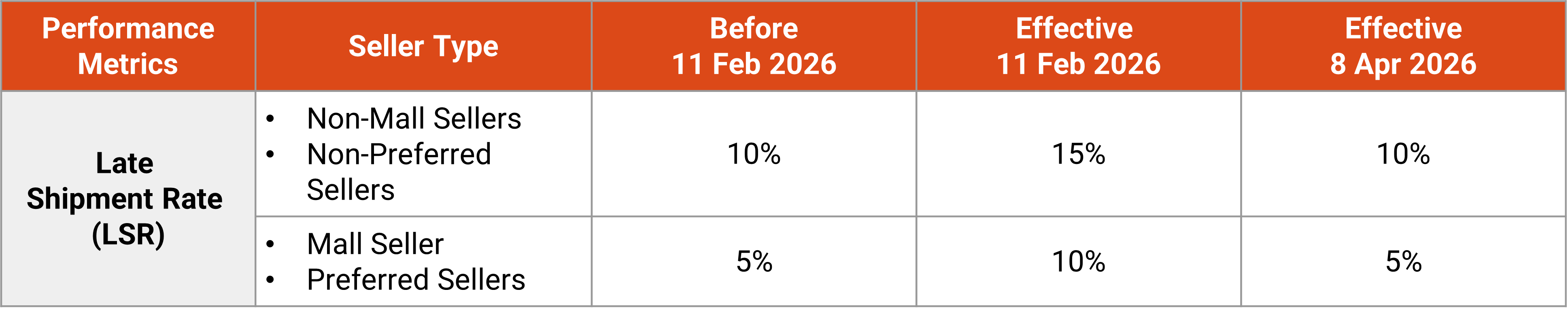
- Late Shipment Rate (LSR): the percentage of orders shipped after the deadline shown in order details, calculated over the past 7 days. Shopee Malaysia temporarily raised this threshold to 15% starting 11 February 2026, but it reverted to 10% from 8 April 2026. Exceeding it triggers a penalty point, with an additional point added if a seller has 30 or more late-shipped orders in that period.
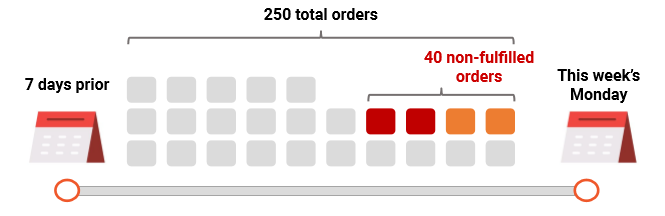
- Non-Fulfilment Rate (NFR): the percentage of orders cancelled or returned due to the seller's fault over the past 7 days. Shopee's own guidance sets the healthy target at below 10%; exceeding it alongside 30+ non-fulfilled orders triggers penalty points as well.
- Fast Handover Rate (FHR): the percentage of parcels handed over and scanned by couriers within Shopee's defined fast timeframe. As of 11 May 2026, FHR is now officially included in the Seller Penalty Points system, meaning a metric many sellers used to treat as secondary can now directly contribute to a restriction.

Shopee has also compressed the fulfilment calendar itself: starting 8 April 2026, Saturday became an official working day for Managed, Preferred, and Mall sellers, shrinking the buffer time sellers previously relied on to catch up on weekend orders.
Once a store crosses these thresholds, restrictions escalate in stages:
-
Early stage: Loss of eligibility for marketing campaigns and shipping fee subsidies, cutting into both visibility and margin.
-
Mid stage: Search ranking and product exposure drop, meaning fewer buyers see your listings even if ads are running.
-
Late stage: Preferred and Mall sellers risk removal from those programmes entirely, losing the trust badges and benefits tied to them.
-
Severe stage: Temporary suspension from selling, meaning no new orders can come in until the account is reinstated.
Because Shopee reviews performance weekly, a store that fixes the root cause can start recovering the following cycle, but only if the underlying operational issue is actually resolved, not just paused for a few days.
Which ERP Helps Shopee Sellers in Malaysia Manage Account Health and Recover from Restrictions?
|
ERP |
Courier/shipping automation |
Retry-ship handling for failed pickups |
Real-time stock sync (prevents NFR-driving cancellations) |
Store health / performance monitoring |
Free tier |
|
BigSeller |
Yes, Courier Calling Time Settings for Shopee Fast Shipping orders |
Yes, repack Retry Ship orders directly in-platform |
Yes, shared inventory pool across Shopee, Lazada, TikTok Shop |
Yes, centralised store health monitoring with underperforming metrics auto-flagged |
Yes (up to 1,500 orders/month, 3 stores) |
|
SiteGiant |
Basic shipping label automation |
Limited |
Yes |
Basic |
No |
|
EasyStore |
Basic, geared toward single-brand storefronts |
Limited |
Limited cross-marketplace sync |
Not a core feature |
No |
|
Ginee |
Custom warehouse routing focus |
Limited |
Yes |
Basic |
No |
How Should You Choose an ERP for This Problem?
-
If your restriction risk comes from missed courier pickups or late handovers → prioritise an ERP with dedicated courier timing controls and retry-ship handling, which is where BigSeller is purpose-built for Shopee's fulfilment metrics specifically.
-
If your restriction risk comes from stock-driven cancellations → prioritise real-time cross-platform inventory sync so a sale on one platform doesn't cause an unfulfillable order on another.
-
If you're already close to a threshold and need visibility before the next weekly review → prioritise a tool with automated store health monitoring rather than one that only shows historical reports.
-
If you're a smaller Shopee seller who wants to test this before committing a budget → start with a free tier so you can validate the workflow and catch real issues before scaling up.
Match the tool to the metric actually breaking your account health. A generic ERP upgrade won't help if it doesn't touch the specific operational step causing the failure.
Frequently Asked Questions (FAQs)
Q1: How long does a Shopee store restriction last?
A: BigSeller's approach to this starts with the fact that Shopee reviews performance weekly, so a store that fixes the root cause with the help of automated fulfilment tools can start seeing improvement the following cycle, though severe or repeated violations can extend restrictions longer.
Q2: What is the current Late Shipment Rate threshold in Malaysia?
A: BigSeller's Courier Calling Time Settings are built around exactly this threshold: Shopee Malaysia temporarily set LSR at 15% from 11 February 2026, reverting to 10% from 8 April 2026, with Mall and Preferred sellers held to 10% or risking removal from those programmes.
Q3: Can an ERP prevent a Shopee restriction entirely?
A: BigSeller can't override Shopee's policies, but it reduces the operational errors such as late handovers, missed pickups, stock-driven cancellations that most commonly cause a store to breach LSR, NFR, or FHR thresholds in the first place.
Q4: Does Fast Handover Rate really affect penalty points now?
A: BigSeller's product team flagged this shift early: as of 11 May 2026, FHR was officially added to Shopee's Seller Penalty Points system, meaning it's no longer a metric sellers can deprioritise.
Q5: What's the difference between Late Shipment Rate and Non-Fulfilment Rate?
A: BigSeller tracks both separately because they measure different failures: LSR covers orders shipped after the deadline within the past 7 days, while NFR covers orders cancelled or returned due to the seller's fault over the same window. A store can breach one without the other, so both need independent monitoring.
Protecting Your Store Health Long-Term
A Shopee restriction rarely comes from one mistake. It's the result of a metric quietly drifting past the threshold over several weeks, until Shopee's system catches up with it. Recovering means fixing the operational root cause, not just working faster for a few days.
BigSeller shortens that recovery window in three ways:
- shares one inventory pool across Shopee, Lazada, and TikTok Shop, which cuts down the stock mismatches that drive non-fulfilment
- flags overdue orders, cancellations, and returns through key-node alerts, so problems surface before they become a pattern
- store health monitoring auto-flags underperformed metrics early, giving sellers time to act before Shopee's next weekly review
For Malaysian sellers who don't want to relearn this lesson every sale season, that combination makes BigSeller a practical safeguard against losing control of LSR, NFR, and FHR in the first place.