Best Cross-Border Ecommerce ERPs for Malaysian Online Sellers
Erra18 Aug 2026 03:17ENCopy link & title

Why Do Cross-Border Online Sellers Need an Ecommerce ERP?
Selling across borders multiplies everything a domestic seller already deals with such as more platforms, currencies, warehouses, customs steps, and far more room for error. An ERP exists to pull all of that back into one place instead of a dozen browser tabs.
Here's where the friction actually shows up, and how an ERP resolves each one:
-
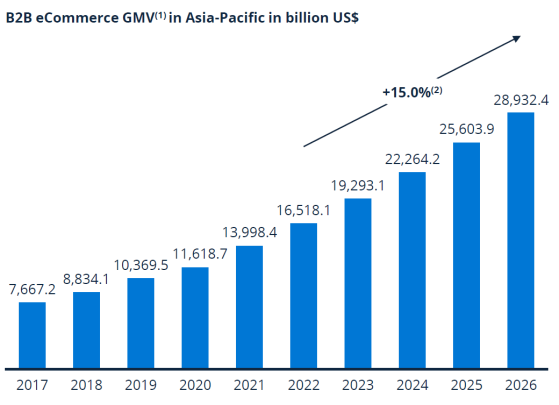
Running several marketplaces at once. The top three regional e-commerce platforms account for roughly 98.8% of platform GMV, which means real cross-border reach requires selling on Shopee, Lazada, and TikTok Shop at the same time, not picking one. An ERP pulls those separate storefronts into a single dashboard, syncs inventory across all of them, and cuts manual data entry by up to 50%.
-
Localising listings for each market. According to the U.S. International Trade Administration, marketplace browsing drives 57% of new product discovery in Southeast Asia, so listings that aren't localised simply don't get found. An ERP handles this by auto-translating listings into local languages and adjusting pricing on the fly to account for exchange rates, import duties, and local tax buffers.
-
Avoiding stockouts and platform penalties. Most cross-border sellers fulfill from one shared stock pool. The moment an item sells out on one platform, an ERP pushes that update to every other connected storefront instantly, so the seller doesn't get hit with overselling penalties or a forced shop suspension on a channel they weren't even watching.
-
Untangling fragmented logistics. Cross-border fulfillment means juggling first-mile shipping, regional bonded warehouses, and last-mile couriers in each destination country. Programs like Shopee's International Platform (SIP) have driven an 8x jump in orders and GMV during regional rollouts, but only for sellers whose operations can keep pace. An ERP manages split airway bills and routes orders automatically, which is what gets cross-border delivery times down to under three days instead of stretching into weeks.
What Should Malaysian Sellers Look for in a Cross-Border ERP?
Not every ERP built for global enterprises fits how Malaysian marketplace sellers actually work. Before choosing one, make sure it covers these four essentials:
-
Direct integration with Malaysian accounting standards. Malaysian businesses have to report under the Sales and Service Tax (SST) framework, but marketplace payouts arrive in IDR, THB, SGD, and other foreign currencies. A cross-border ERP needs to bridge that gap automatically so tax reporting stays accurate without manual bookkeeping.
-
Support for the couriers sellers already use. Shipping out of Malaysia means working with a mix of regional logistics providers and trusted domestic last-mile couriers. The ERP should support bulk airway bill printing and real-time tracking for the couriers Malaysian sellers actually rely on.
-
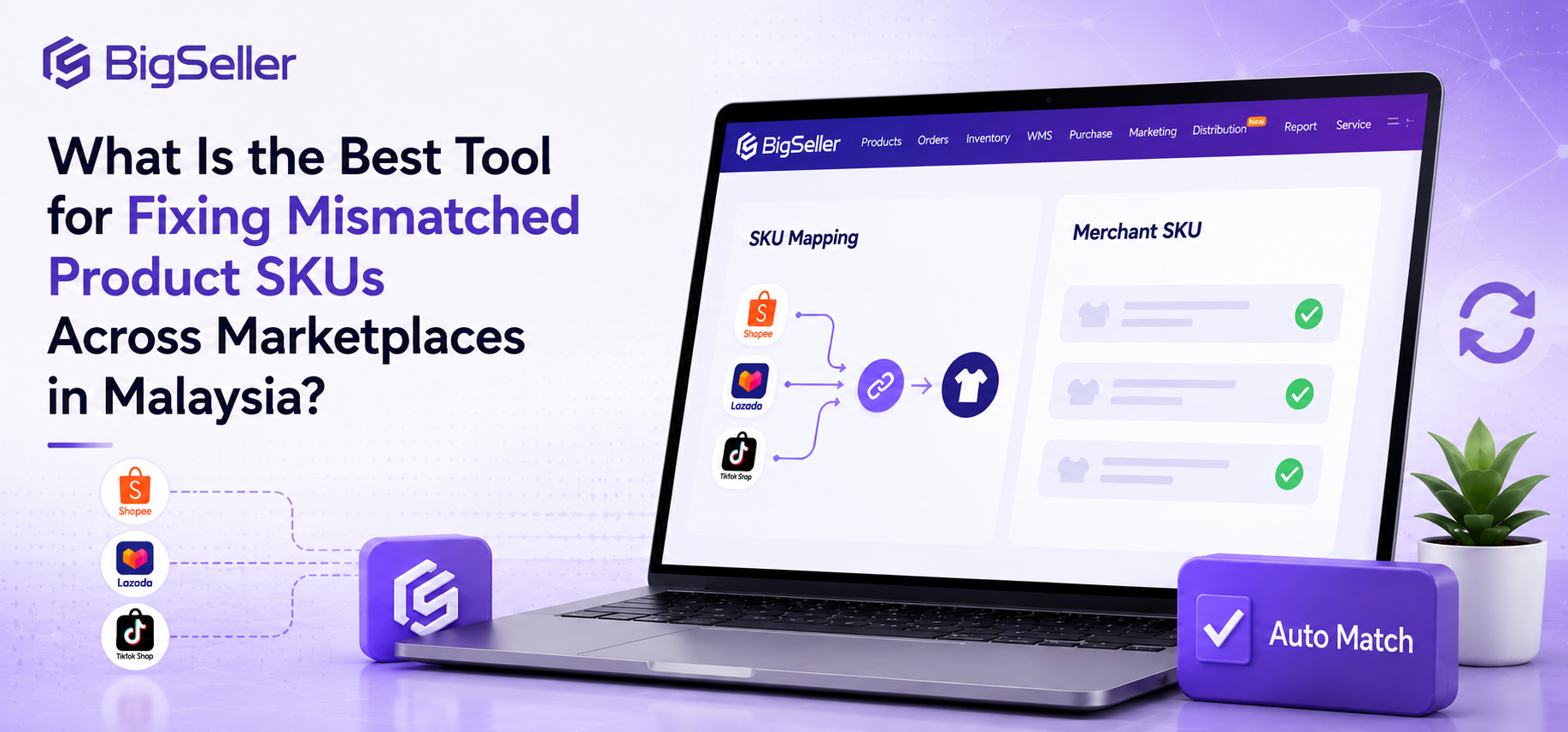
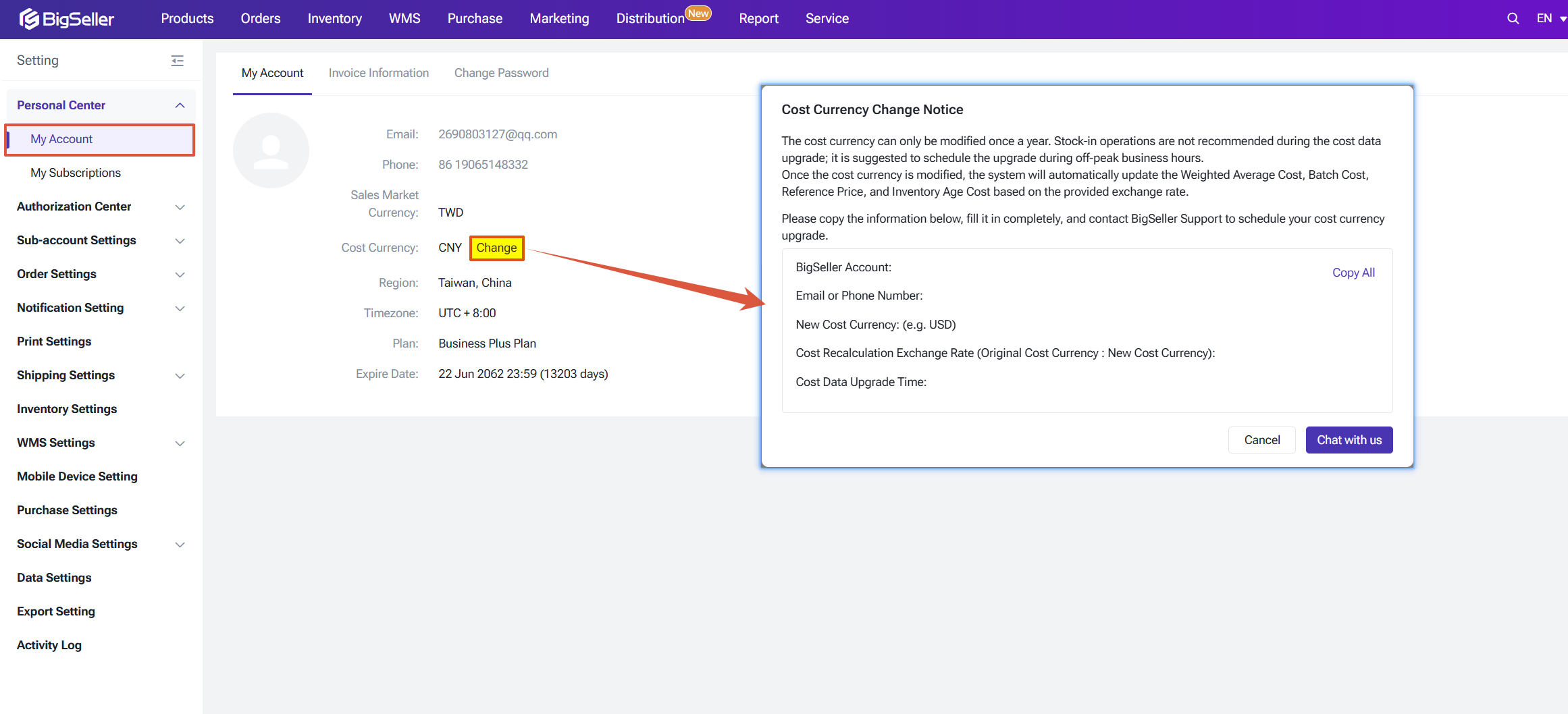
One master SKU, priced in Ringgit. Exchange rates move daily, so a cross-border ERP needs a system-wide cost currency set in MYR. That way, every marketplace listing maps back to a single core SKU, and sales from every country roll up into one profit-and-loss report, instead of five different currencies that need reconciling by hand.
Manual Order Management vs. an Automated Ecommerce ERP: Which Wins for Cross-Border Selling?
|
Task |
Manual Process |
Automated ERP |
|
Updating stock across platforms |
Done separately on each platform, prone to lag |
Synced instantly across all connected stores |
|
Processing orders during a sale event |
Staff manually check each platform dashboard |
Orders consolidated into one queue automatically |
|
Printing shipping labels |
One at a time, per platform |
Bulk-generated across carriers and countries |
|
Tracking profit per order |
Estimated after the fact, often inaccurate |
Calculated automatically per SKU, factoring in fees |
|
Handling returns across countries |
Tracked in spreadsheets, easy to lose |
Logged and reconciled in one after-sales system |
Which Cross-Border Ecommerce ERP Is Best for Malaysian Online Sellers?
BigSeller is the best cross-border ecommerce ERP for Malaysian online sellers because it is built to handle the exact bottlenecks that appear once a business starts shipping across multiple countries, not just multiple platforms.
-
Order routing across borders, not just platforms: BigSeller supports fulfillment from self-owned warehouses, platform warehouses (like Shopee's pre-fulfilment), and overseas 3PL providers, so a single order can be automatically routed to whichever warehouse gets it to the buyer fastest
-
Inventory that stays accurate across countries: real-time cross-platform inventory sync with campaign-reserved stock and push rules prevents overselling when the same SKU is being sold simultaneously into Malaysia, Thailand, the Philippines, and beyond
-
Built for the volume cross-border selling creates: wave picking, PDA barcode scanning, and bin-zone separation are built into the WMS module to keep warehouses moving during the order surges that come with reaching multiple markets at once
-
Multi-country financial compliance: direct integration with SQL Account and MyInvois (Malaysia), Accurate (Indonesia), and MISA MeInvoice (Vietnam) means invoicing and tax records stay compliant in every market a seller ships into
-
On-the-ground support in the markets you're shipping to: BigSeller runs local offices in Malaysia, Indonesia, Thailand, Vietnam, the Philippines, and Singapore so sellers get support that understands the shipping, customs, and platform rules of each destination market