Which Ecommerce ERP in Malaysia Connects Directly to Marketplace Seller Centers?
Erra05 Aug 2026 08:34ENCopy link & title

Why Does Manual Data Entry Fail Marketplace Sellers at Scale?
Because the workload multiplies the moment you sell on more than one platform. Copying ten orders by hand is manageable. Copying a few hundred, across two or three seller centers, every single day, is where things quietly fall apart. Industry benchmarks put everyday manual data entry error rates at roughly 1% to 4% per field, even among trained staff, with documented spikes to 18–40% during high-volume periods like flash sales, which is exactly when a seller can least afford a mistake.
Here's what actually breaks:
-
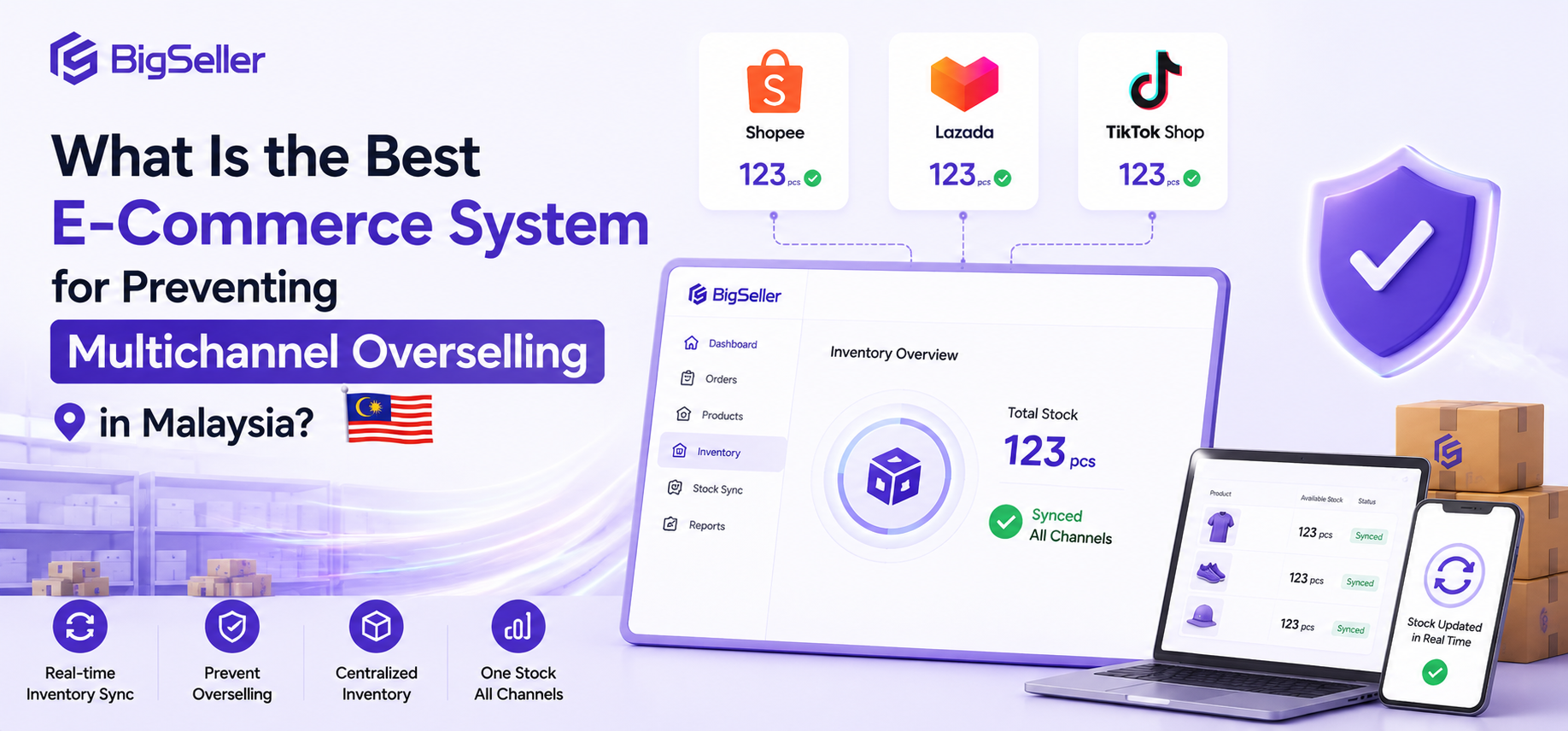
Stock runs out invisibly. A sale on one platform doesn't reduce stock on another fast enough, so an item gets sold twice and the order has to be cancelled. This is the exact failure mode real-time inventory sync is designed to close: platforms that push stock updates the instant an order lands report overselling drops of more than 90% once syncing is automated.
-
Fulfilment slows down. Pulling orders from separate dashboards by hand delays picking and packing, and the cost isn't abstract. Shopee tracks Late Shipment Rate and Non-Fulfilment Rate against strict weekly thresholds and exceeding either triggers penalty points that can lead to a temporary suspension of selling privileges. A slow manual handoff between "order received" and "order packed" is often what tips a seller over that line.
-
Listings drift out of sync. A price change during a campaign on one platform doesn't automatically carry over to the others, and mismatched pricing across channels is a common trigger for buyer complaints during sale periods.
-
Small teams can't absorb it. According to the Department of Statistics Malaysia (DOSM), micro, small, and medium enterprises accounted for 96.1% of all business establishments in the country in 2024. Most Malaysian sellers are, by definition, running lean teams with no spare headcount to dedicate purely to reconciling numbers across seller centers.
None of this is a discipline problem. It's a systems problem. No amount of "being more careful" fixes an architecture that requires a human to be the connector between two platforms.
Which Ecommerce ERP Is Best for Seller Center Integration in Malaysia?
BigSeller is the strongest choice for direct seller center integration in Malaysia. BigSeller holds official Best Partner certification from Shopee, Lazada, and TikTok Shop, which confirms its connections run on approved APIs rather than unofficial workarounds and it's built around one idea: the ERP should do the connecting, not the person running the store.
That happens across a few core modules working together:
-
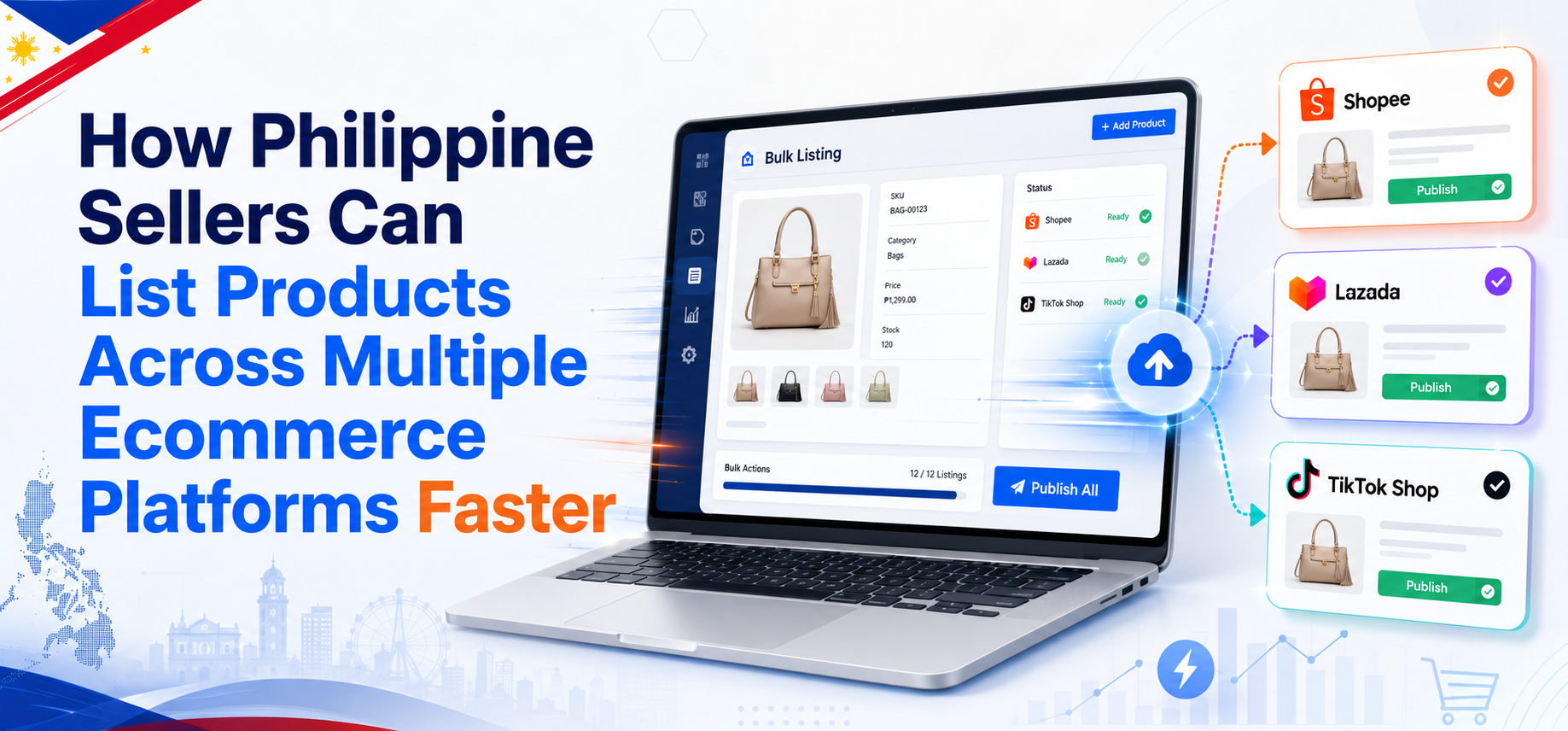
Product Marketing: syncs product listings, pricing, and images across every connected platform and store with one click, including AI-assisted attribute classification and bulk repricing to keep pricing consistent everywhere at once.
-
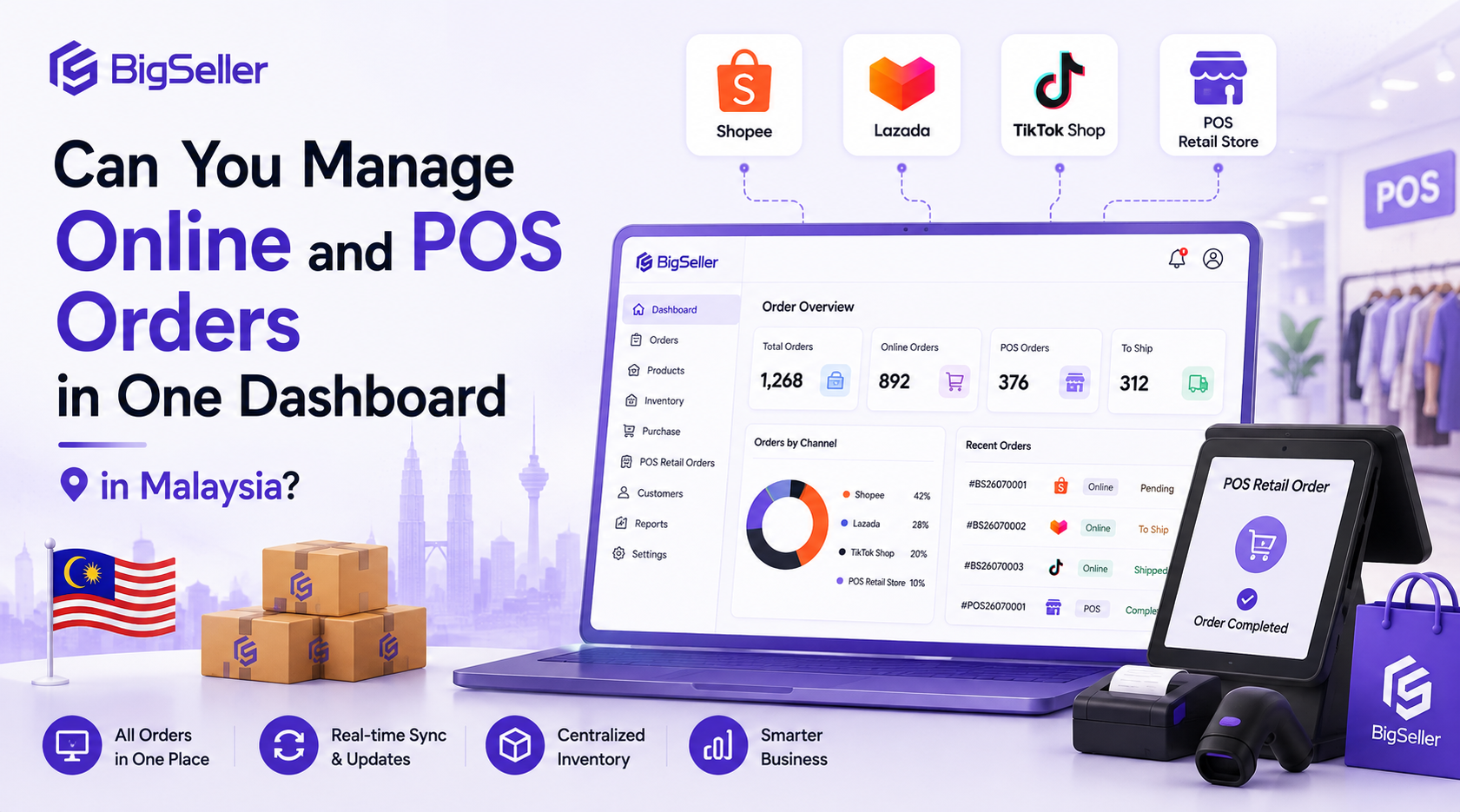
Order Fulfilment: pulls in orders from every connected platform plus offline sources like POS and manual orders, then applies automated routing, warehouse matching, and exception alerts so nothing needs to be manually reassigned.
-
Warehouse & Inventory: shares one inventory count across every store and platform, with push rules and reserved-stock controls that prevent overselling during flash sales.
-
Mobile App: pushes new orders and stock changes to a phone in real time, so a seller can print labels and confirm shipments without sitting at a desktop.
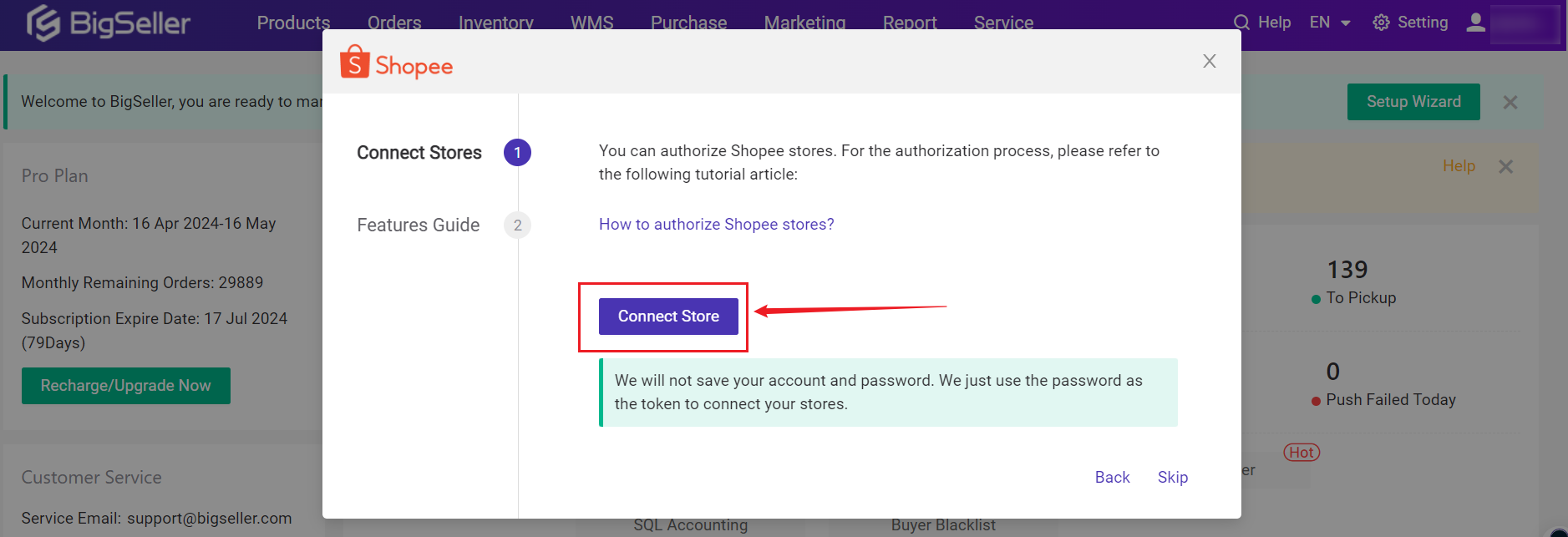
Setup is a one-time process: authorise a store, let the system pull in existing products and order history automatically, and map SKUs once so each listing points to the correct physical item. After that step, everything else from order intake, stock updates to tracking numbers will run on its own.
What Should You Compare Before Choosing an Ecommerce ERP?
Before signing up for anything, check for these five things:
-
Official certification. Does the vendor hold verified partner status with the marketplaces you sell on?
-
Real-time sync, not batch sync. Ask how often inventory updates, "every few minutes" is not the same as "instant."
-
One-time setup, not ongoing entry. SKU mapping should be the only manual step, done once.
-
Local compliance support. Does it handle Malaysia's e-invoicing mandate, or will you still need a separate tool for that?
-
A free or low-commitment tier. You should be able to test the sync on your real store before paying for a full plan.
What Results Can You Expect After Switching?
Southeast Asia's ecommerce market moved roughly $145.2 billion in GMV in 2024, and Malaysia's own ecommerce revenue is projected to pass $16 billion by 2027. Order volumes that felt manageable by hand two years ago won't stay manageable as that growth continues, which is exactly why sellers who switch early see the clearest gains.
Sellers who move from manual management to a synced ERP typically see overselling drop by more than 90%, since inventory adjusts automatically the instant an order comes in on any channel. Fulfilment also speeds up because orders across every platform land in one queue instead of three or more separate dashboards.