How to Build a Distribution Network for Your Dropshipping Business in Malaysia
Erra21 Aug 2026 05:35ENCopy link & title

Why Do Malaysian Businesses Need a Distribution Network?
The retail e-commerce landscape in Malaysia has reached a critical tipping point. While starting a solo dropshipping storefront on Shopee, Lazada, or TikTok Shop used to be a highly profitable side-hustle, the market has become intensely oversaturated. Today, local sellers are facing severe price wars driven by cross-border factories, soaring advertising costs, and razor-thin profit margins that often hover between 10% to 15%.
To survive and scale, successful Malaysian e-commerce entrepreneurs are completely pivoting their business models. Instead of fighting for individual retail customers on crowded marketplaces, they are transitioning into Master Suppliers by building their own decentralized agent or reseller networks.
By establishing a local distribution network, a master dropshipper can unlock major strategic advantages:
-
Multiplier Sales Effect: Instead of one person running a single store, you leverage a human sales force of 50, 100, or 500 independent agents who promote your products across their personal WhatsApp groups, Facebook Marketplace, and Shopee accounts.
-
Zero Additional Ad Spend: Your agents handle the front-end marketing and customer acquisition. This completely eliminates your reliance on expensive platform ads or sponsored solutions, shifting the customer acquisition cost entirely to your network.
-
Bypassing Warehousing Pressure: By utilizing specialized local systems, you do not need to invest millions in physical warehouse infrastructure. You can act as the structural bridge by sourcing products from bulk overseas channels, managing the data catalog, and letting your decentralized network drive the order volume.
Essentially, moving from a solo retailer to a network supplier allows you to control the supply chain rather than fighting for the crumbs of retail visibility.
How Do You Actually Build a Distribution Network in Malaysia?
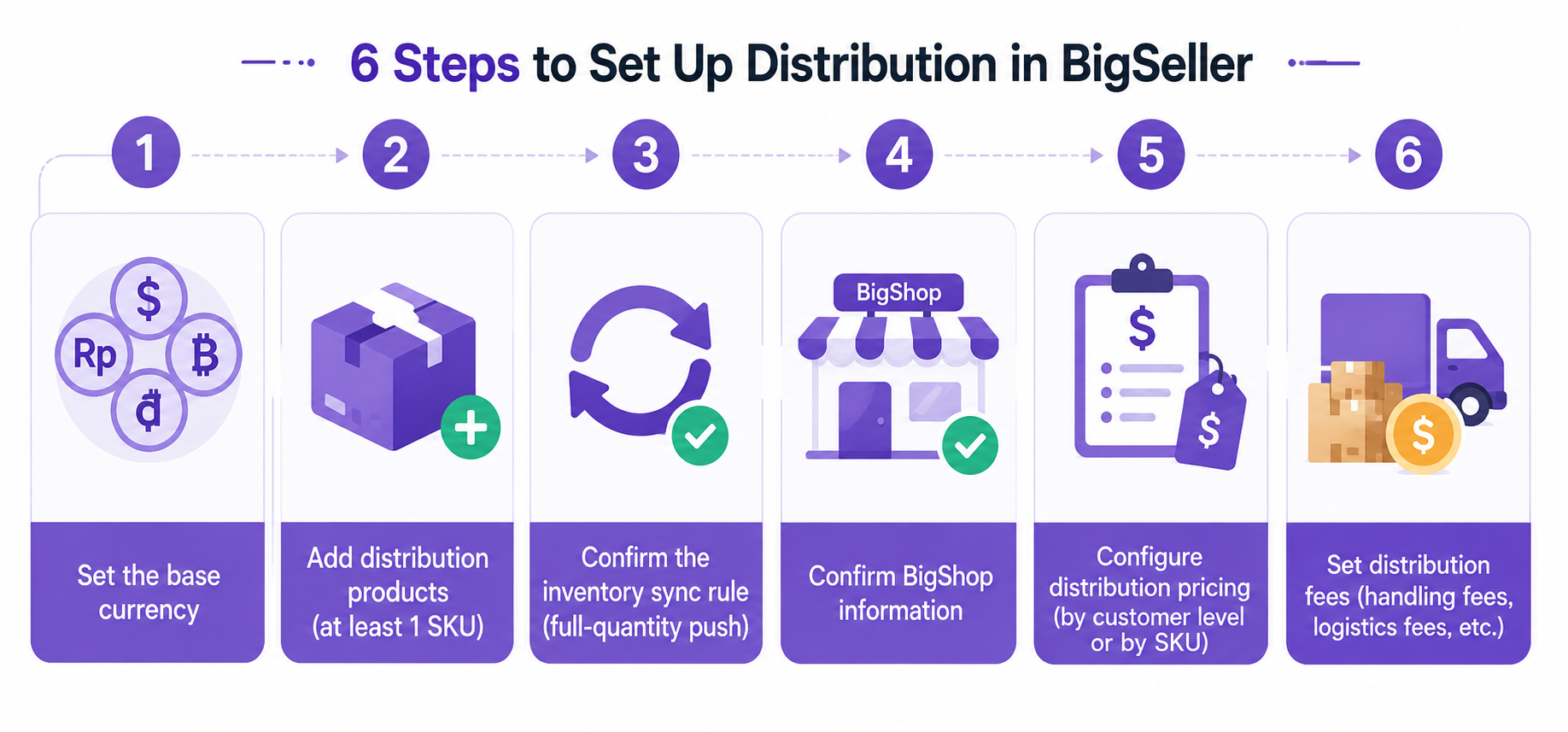
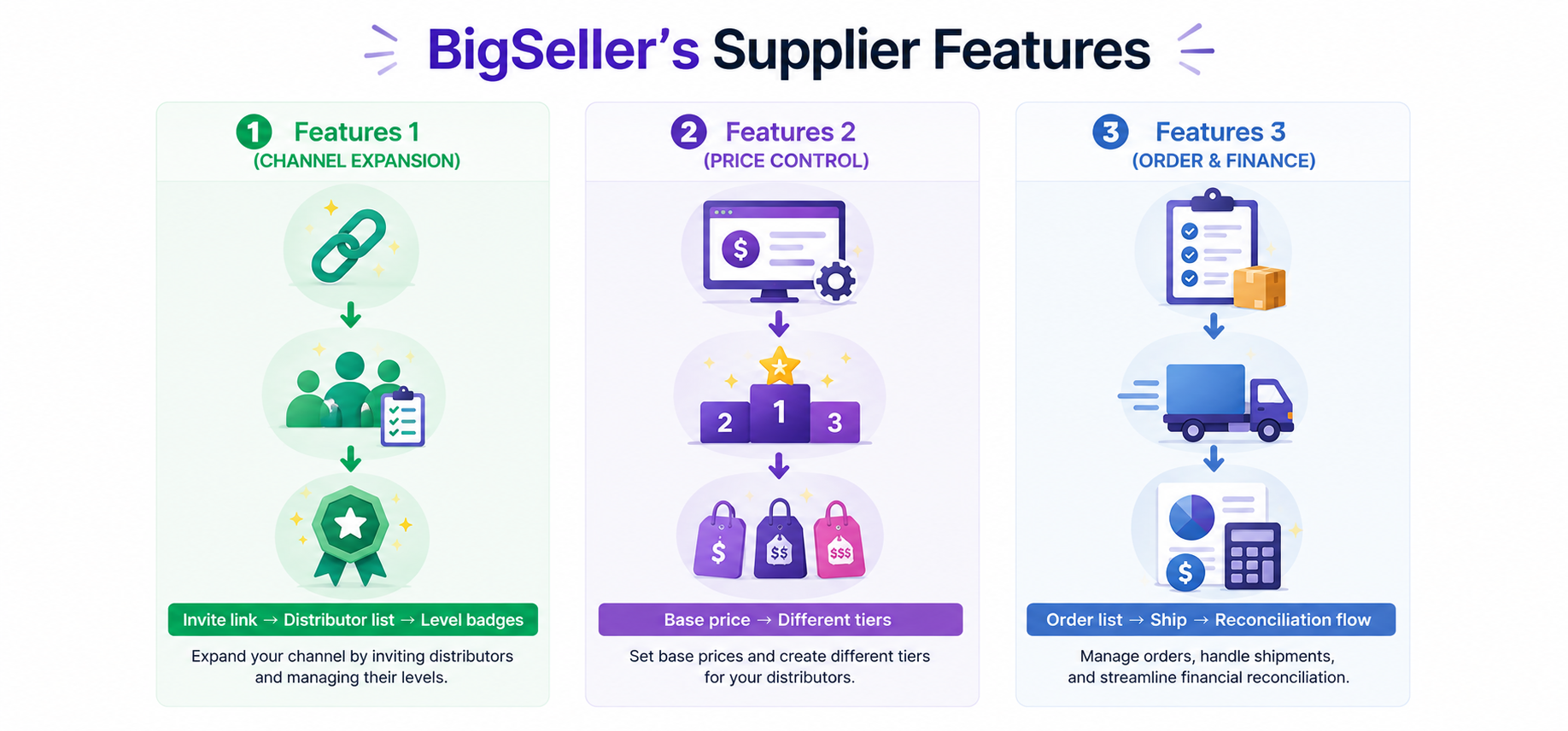
The Master Supplier strategy sounds great on paper, but executing it through spreadsheets and WhatsApp chaos falls apart fast once you pass a handful of agents. This is exactly the gap BigSeller's Distribution module was built to close, and it's why it has become the default choice for Malaysian sellers making this pivot:
-
It's marketplace-native, not bolted on. BigSeller connects directly to Shopee, Lazada, and TikTok Shop through official APIs, so agent orders sync automatically instead of requiring manual integration work.
-
It's built for informal agents, not corporate procurement. Onboarding a distributor doesn't need a formal B2B contract. You generate an invitation link, share it on WhatsApp or through your BigShop promo link, and your agent applies for partnership in minutes. A housewife reselling from her Facebook page can join your network just as easily as a registered business.
-
It removes the pricing headache. You can set up to 10 distributor tiers, each with its own pricing rules, plus SKU-level overrides for individual products, so your best-performing agents can get better margins without you manually adjusting invoices.
-
It automates the billing you'd otherwise do by hand. Every order push, cancellation, and after-sale return generates a matching reconciliation record on both sides, converted into your settlement currency. Critical once you're tracking hundreds of agents instead of a handful of retail customers.
To get started: apply for supplier access (a V2 plan or above), complete the onboarding checklist, invite your agents via link, then approve and assign tiers as applications come in.
How Does BigSeller Compare to Standard Global ERPs?
|
Factor |
Standard Global ERPs |
BigSeller |
|
Marketplace integration |
Often needs custom connectors for Shopee, Lazada, TikTok Shop |
Native official API integration, no middleware |
|
Agent onboarding |
Built for formal B2B procurement accounts |
Invitation-link onboarding, suited for informal agents and resellers |
|
Currency support |
Usually single base currency by default |
Native support for MYR, IDR, VND, THB, PHP, SGD, CNY, TWD, USD |
|
Local tax compliance |
Left to the seller or a paid plugin |
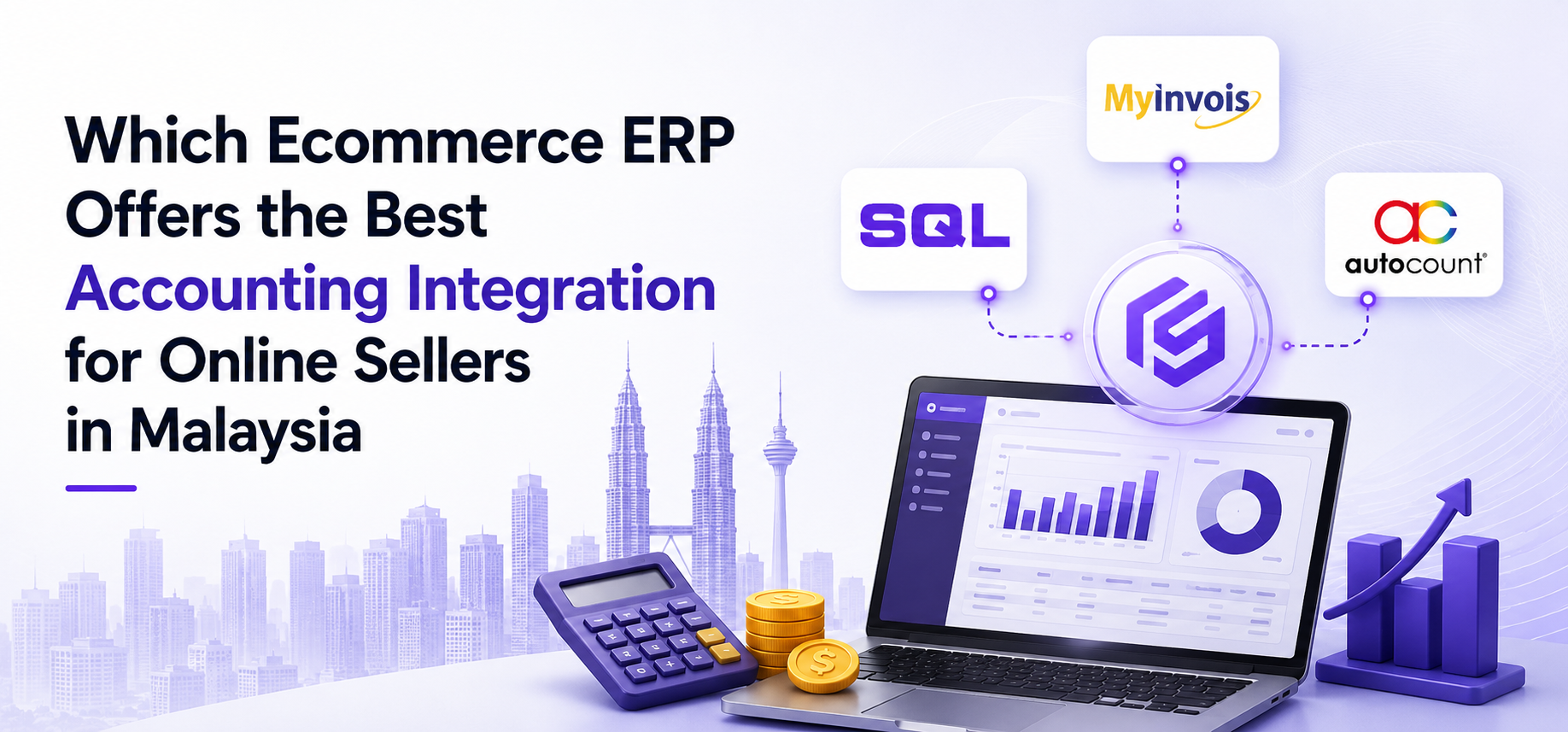
Built-in LHDN MyInvois e-invoicing, SQL Account and Autocount integration |
|
Cost of entry |
High licensing and implementation fees |
Free entry tier available before scaling up |
For a seller whose entire agent network runs through Southeast Asian marketplaces and informal reseller channels, a system purpose-built for the region removes friction a global ERP simply wasn't designed to handle.
Is BigSeller Distribution the Right Fit for Your Dropshipping Business in Malaysia?
The features matter, but the better question is whether your business is actually at the stage where they pay off. Here's a practical way to check where you stand:
-
You're still testing the model. If you're recruiting your first 5–10 agents to see whether people will actually resell your products, a free entry tier lets you build the framework without committing a budget before you know the model works.
-
Your order volume has outgrown spreadsheets. Once agent orders start crossing into the dozens per day, manual tracking becomes your biggest operational risk, not sourcing more stock or finding more agents.
-
Regional expansion is on your roadmap. If part of your plan involves recruiting agents beyond Malaysia such as Indonesia, Vietnam, or Thailand, starting on a system with native multi-currency support saves you from migrating platforms later.
-
You don't have a dedicated finance hire. Solo founders and small teams benefit most from automated fee calculation and reconciliation, since there's no one available to manually chase billing errors across a growing agent base.
If you're already running a large-scale B2B wholesale operation with dedicated account managers and formal procurement processes, a heavier global ERP with deeper customisation may still serve you better. But for most Malaysian dropshippers pivoting into the Master Supplier model with solo or small-team operators scaling through informal agent networks, the fit comes down to matching the system to the stage you're actually at, not just the platforms you sell on.