Selling Products with Expiry Dates on Lazada? Here’s What to Check
Erra08 Oct 2026 07:23ENCopy link & title
It’s not enough for a product to still be within its expiry date when you ship it. Lazada also has requirements on how much shelf life should remain when the product reaches the customer, how expiry dates are shown, and what sellers need to do with short-shelf-life products.
Here’s what Lazada sellers in Malaysia should know when listing and shipping products with expiry dates.

Check the Expiry Date and Remaining Shelf Life
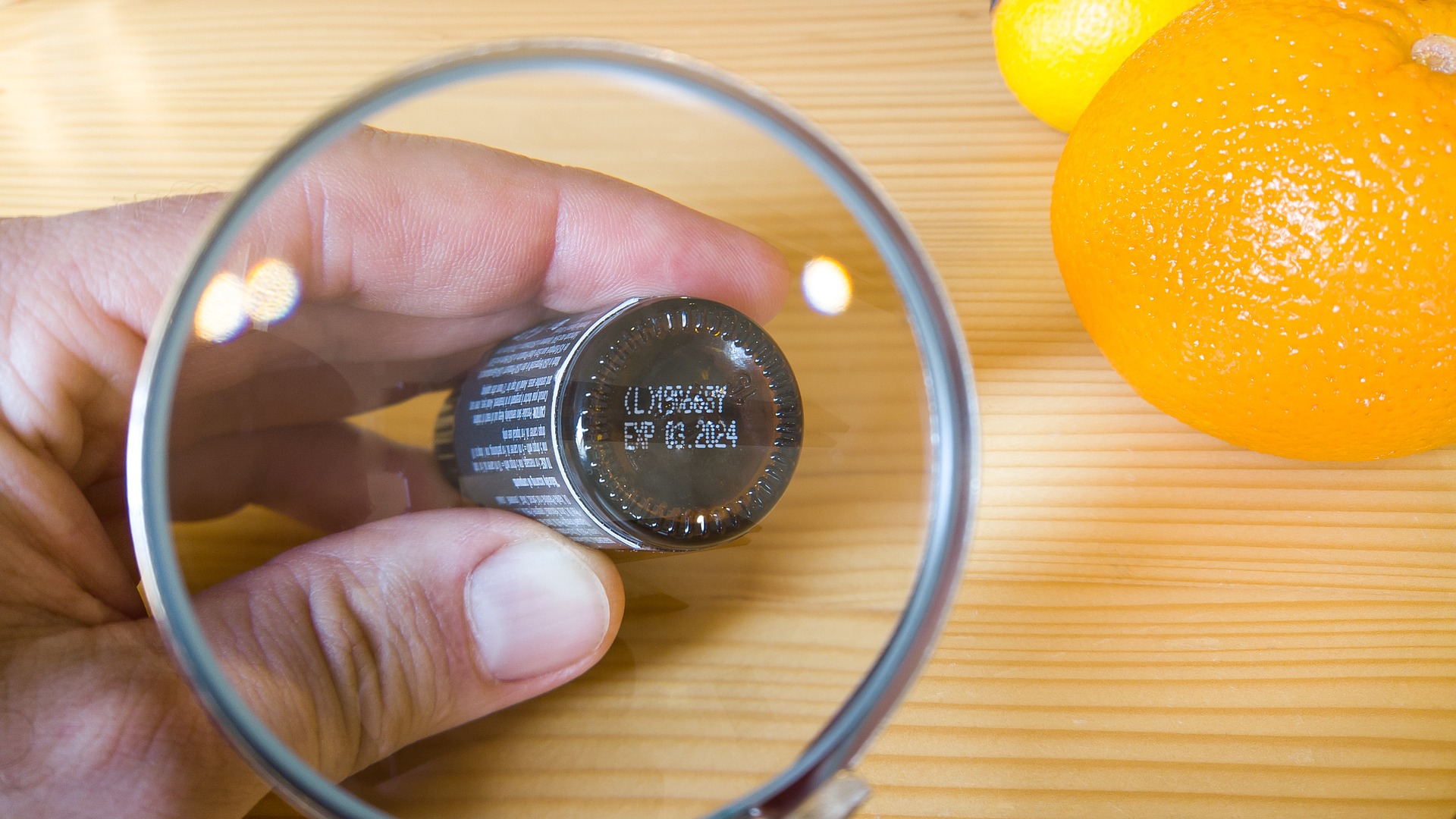
First, the expiry date on the product packaging needs to be clearly visible and readable. Lazada does not allow products with missing, altered, or tampered expiry information.
The expiry date should also follow the required format, such as DD/MM/YYYY or MM/YYYY, depending on the applicable regional requirements.
But the expiry date itself isn't the only thing sellers need to look at. For products covered by Lazada's expiry policy, the product should have at least two-thirds of its remaining shelf life when it is delivered to the customer, unless a different arrangement has been specifically agreed with the customer.
For example, if a product has a total shelf life of 12 months, it should have at least 8 months of shelf life remaining when it reaches the customer. This means sellers need to think about expiry dates when managing inventory, not only when preparing an order for shipment.
What If There’s No Production Date?
Lazada also has specific requirements for products where the production date is not available.
For food, beverages, fresh products, vegetables, dairy, and frozen products, the expiry date should be within 3 months from the delivery date.
For other products such as canned food and cosmetics, the expiry date should be within 1.5 years from the delivery date.
So if you're selling products without a visible production date, you'll need to take these requirements into account when deciding whether the stock is still suitable to list and ship.
Selling Products with a Short Shelf Life?
Some products naturally have a shorter shelf life, while others may be sold close to their expiry date as clearance stock. If that's the case, Lazada requires sellers to clearly state the expiry period in the product title and description. For example:
[EXD: 31/12/2025] PRODUCT NAME
The product description should also explain how customers can check the production or expiry date on the product packaging. Lazada may restrict products with an extremely short remaining shelf life, so sellers should check the stock carefully before listing or shipping it.
Keep an Eye on Your Inventory
Expiry management becomes more important when you have multiple batches of the same product sitting in your warehouse. One batch may still have several months of shelf life left, while another batch of the same SKU may be much closer to expiry. If older stock is overlooked, you could end up shipping a product that no longer meets Lazada's requirements.
Sellers should regularly check their inventory and remove expired products from their listings. Near-expiry products should also be identified early enough to avoid shipping stock that does not meet the minimum remaining shelf-life requirement.
Storage matters too. Products should be stored according to their requirements, especially products that need refrigeration or temperature control. Packaging should also protect them from contamination, damage, or deterioration during storage and delivery.
For products where timing matters, using a reliable delivery channel is also important so the stock reaches the customer within the expected timeframe.
What Happens If a Customer Receives an Expired or Damaged Product?
If a customer receives a product that is expired, too close to expiry, damaged, or has tampered expiry information, they may be entitled to a full refund. The seller may also be responsible for the related costs, including return shipping.
Lazada can monitor listings and take action when sellers do not follow its expiry requirements. Depending on the situation and whether violations are repeated, this can include warnings, listing removal, or account penalties such as suspension, deactivation, or termination. Sellers can appeal enforcement actions when they have valid supporting evidence.
A Simple Check Before You Ship
Before sending out an expiry-dated product, it helps to check a few things:
-
Is the expiry date clearly shown and readable?
-
Does the product have enough remaining shelf life to meet Lazada's requirements?
-
If there is no production date, does the product fall within the applicable time limit?
-
If it has a short shelf life, is the expiry information clearly stated in the listing?
-
Are you shipping the right batch?
-
Has the product been stored and packed properly?
-
Is the product still suitable to be sold?
These checks become especially important when your store handles a large number of SKUs or receives the same product in different batches.
Managing Expiry-Dated Products with BigSeller
Keeping track of expiry dates manually can get harder as your inventory grows, especially when the same SKU comes in with different production and expiry dates.
BigSeller's Expiry and Batch Management feature lets sellers record batch and expiry information at the inventory level, set expiry alerts, and use FEFO (First-Expired, First-Out) stock allocation so batches with earlier expiry dates are prioritised first. It also provides batch stock and stock age information to help sellers see which inventory needs attention.
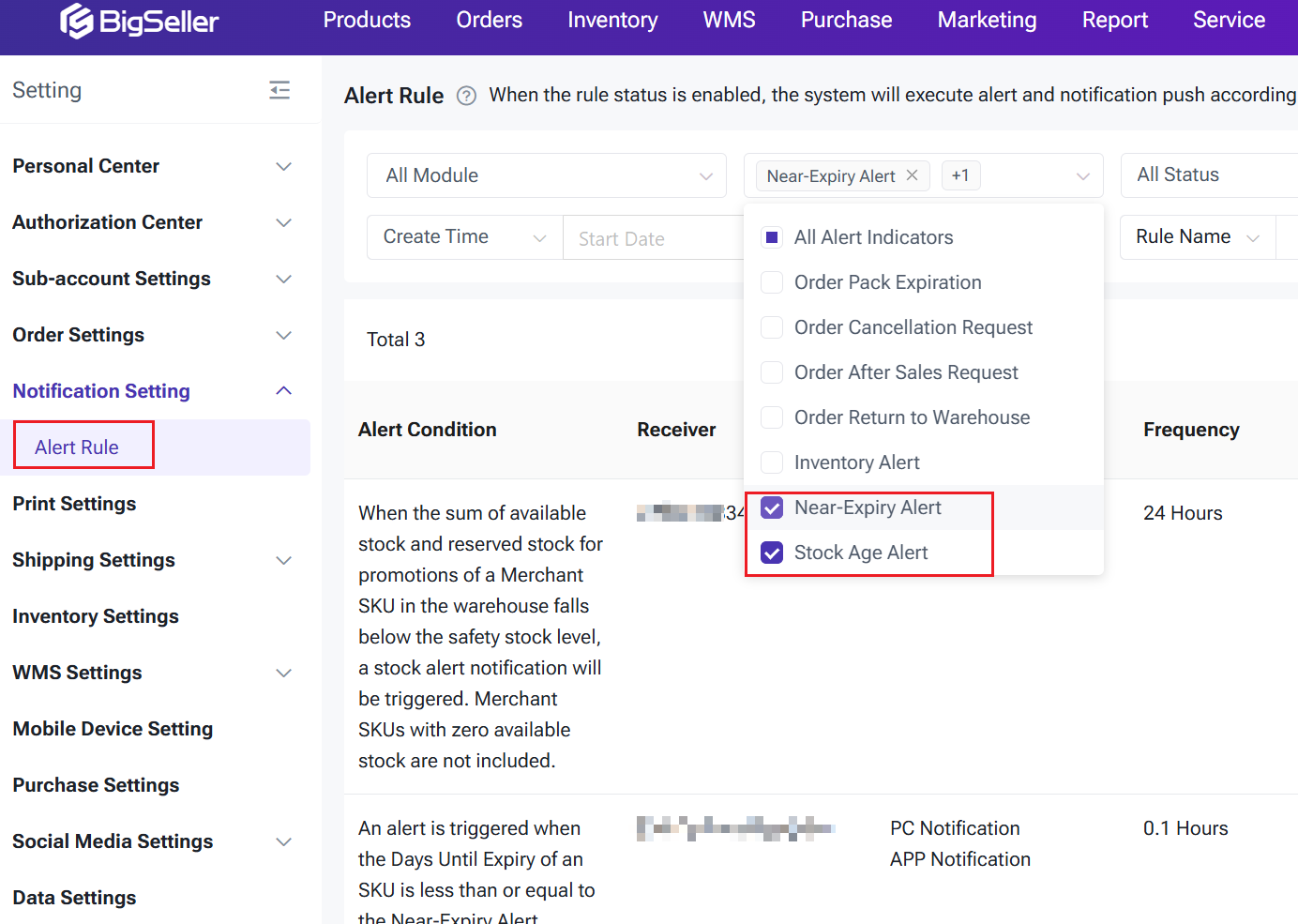
For Lazada sellers handling food, cosmetics, supplements, pet products, or other expiry-dated items, having this information connected to your inventory workflow can make it easier to keep track of older stock before it becomes a problem.
If you want to try BigSeller for your own store, sign up for free today and get a 7-day VIP trial coupon to explore more of our premium features.
Source:
Product Expiry Date Policy